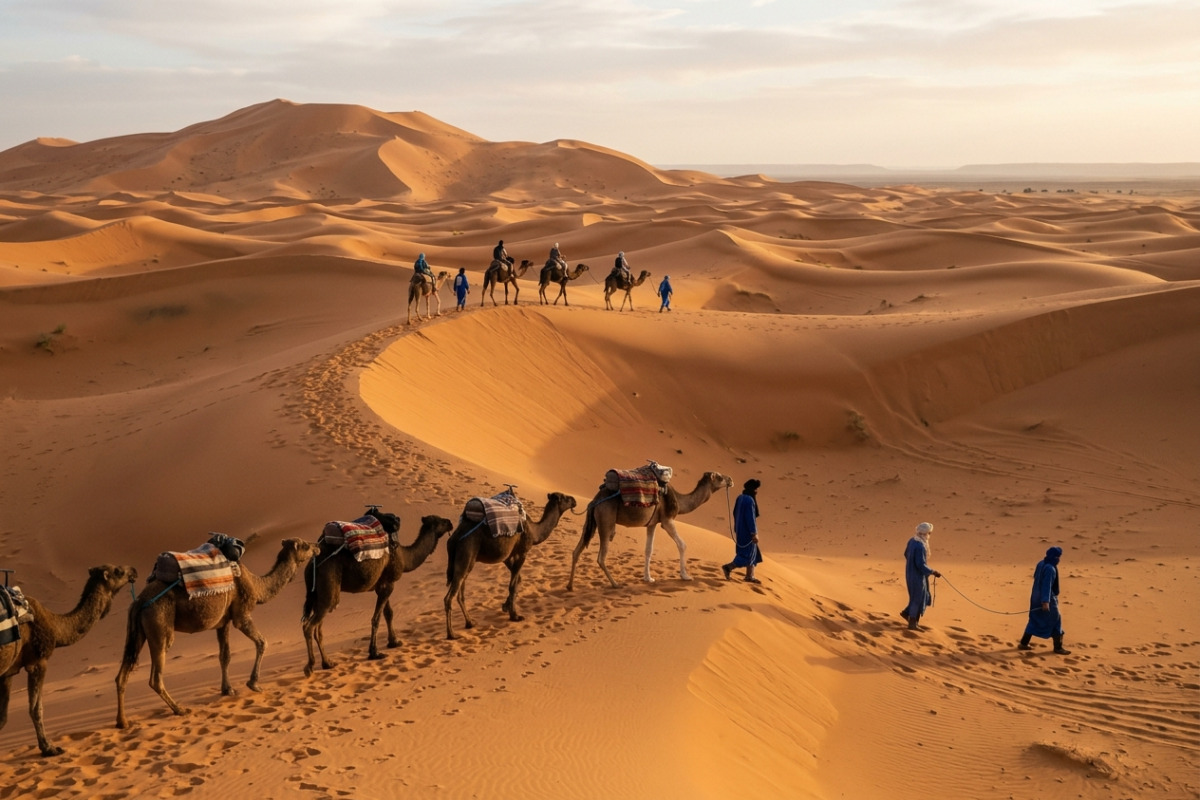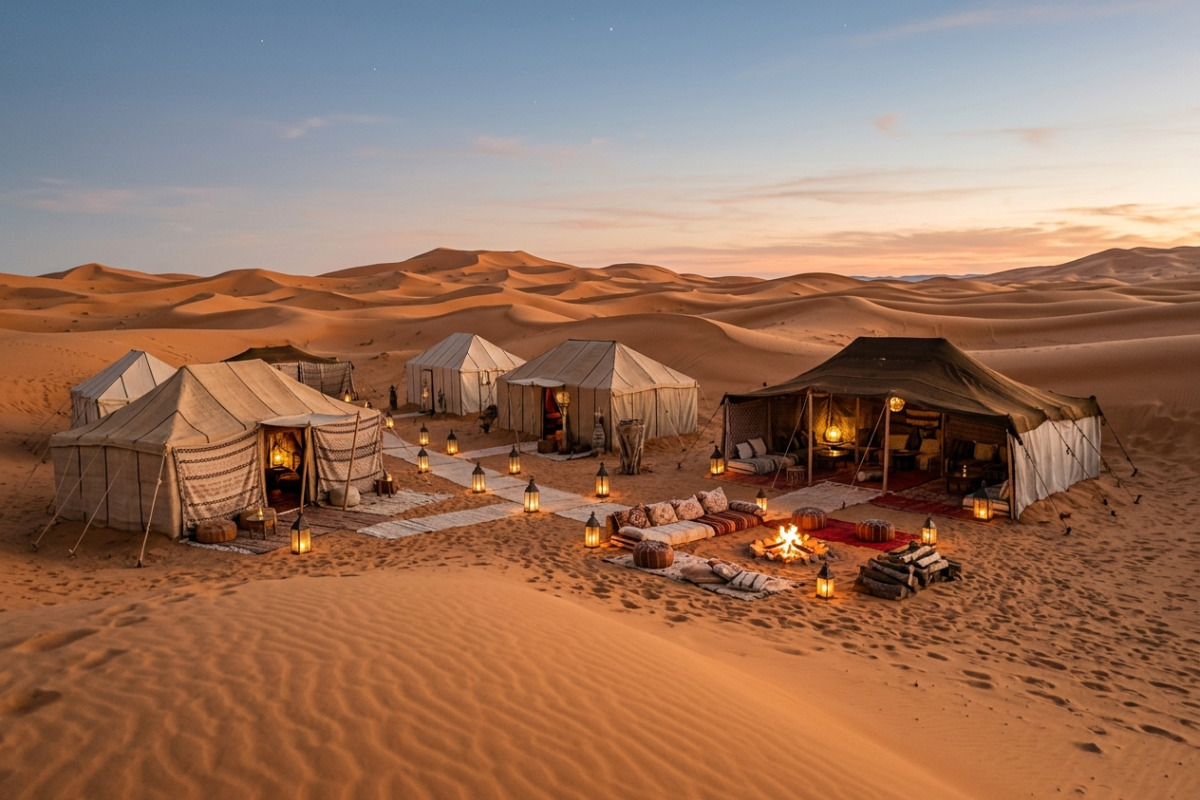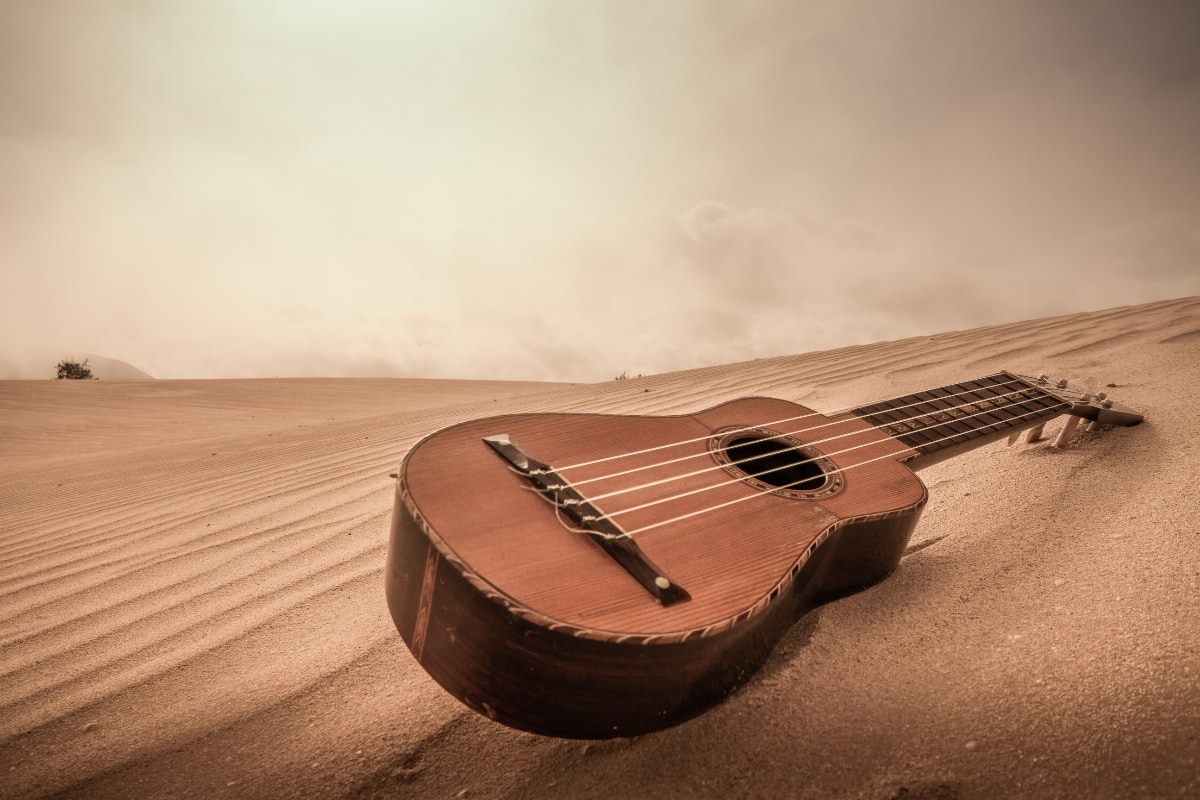
Imagine standing amidst the endless golden dunes under a canopy of stars so bright they seem to vibrate. At first, there is only the profound silence of the desert, a silence that feels heavy with untold stories. Then, slowly, a rhythm begins. It might be the soft beat of a drum mirroring a camel’s gait or the mournful, hypnotic pluck of a string instrument carried by the wind. This is the soundscape of the Sahara, a musical heritage that is as vast and enduring as the landscape itself. For the nomadic tribes who have traversed these sands for millennia, music is not merely entertainment; it is a vital lifeline, a method of communication, and a repository of history.
In a culture where written records were historically rare, the melody became the manuscript. The traditional music of the Sahara serves as an oral library, preserving the genealogies, battles, loves, and losses of the people. Every song sung around a campfire is a chapter of history kept alive through breath and rhythm. As we move through 2026, the resilience of these traditions remains striking, offering travelers a profound connection to a past that refuses to fade away. Understanding this music requires listening with more than just your ears; it requires opening your soul to the echoes of the past.
The Oral Libraries of the Desert
For the Tuareg, the Berbers (Amazigh), and the Sahrawi people, music is woven into the very fabric of daily life. It is the primary vehicle for storytelling, acting as a bridge between the ancestors and the living. In the harsh environment of the Sahara, where survival relies on community and knowledge of the land, songs have traditionally been used to teach younger generations about water sources, star navigation, and moral codes. These folk songs are deeply poetic, often using metaphors of the desert—the harsh sun, the resilient acacia, the endless horizon—to describe human emotions and societal values.
The role of the musician, often known as an igawen or griot in various West African and Saharan traditions, is sacred. They are the keepers of the collective memory. When a bard sings of a legendary warrior or a tragic romance from three centuries ago, they are ensuring that the identity of the tribe remains intact. This cultural expression is dynamic; while the core stories remain, new verses are often improvised to reflect current events or the specific audience present, making every performance a unique living document.
Instruments of the Sands
The unique sound of Saharan music comes from instruments that are born from the desert itself. Crafted from wood, animal hide, and metal, these instruments are designed to be portable for a nomadic lifestyle yet durable enough to withstand the extreme climate. Each instrument carries a specific role within the musical ensemble and holds distinct cultural significance.
| Instrument | Type | Description | Cultural Significance |
| Guembri (Sintir) | String (Bass Lute) | A three-stringed lute with a rectangular body covered in camel skin. It produces a deep, percussive bass sound. | The heart of Gnawa music, used to induce trance states and guide spiritual ceremonies. |
| Imzad | String (Fiddle) | A single-stringed bowed instrument made from a gourd and leather, traditionally played only by women. | A symbol of Tuareg elegance and gallantry; used to accompany poetry and calm warriors after battle. |
| Tindit (Tbal) | Percussion | A drum made from a mortar and covered with skin, often played by women using their hands or sticks. | Provides the rhythmic backbone for community gatherings, weddings, and celebrations. |
| Qraqeb | Percussion | Large iron castanets that produce a clanking, metallic sound resembling the galloping of horses. | Essential for the rhythmic drive of Gnawa music, symbolizing the chains of ancestors but reclaimed for liberation. |
Beyond these, other instruments contribute to the rich tapestry of Saharan sound. The tehardent, a lute similar to the guembri but often smaller and more ornate, is favored in Mauritania. The Algaita, a double reed wind instrument akin to an oboe, brings a piercing, celebratory tone to festive occasions. And the human voice itself, in the form of intricate vocalizations and ululations, remains a powerful and versatile instrument.
The Tuareg and the Desert Blues
One of the most globally recognized sounds to emerge from this region is the "Desert Blues," popularized by Tuareg bands who swapped traditional lutes for electric guitars. However, the roots of this genre, known locally as Assouf (meaning nostalgia or longing), go back centuries. It speaks to the isolation of the desert and the deep yearning for connection and home. The music is characterized by repetitive, trance-like grooves and call-and-response vocals that mimic the vast, open spaces of the Sahara.
While the electric guitar has become a modern icon of Tuareg resistance and identity, the traditional acoustic sounds remain potent. In the quiet camps away from the cities, you can still hear the soft melodies of the shepherd’s flute or the Imzad. This evolution from acoustic tradition to electric amplification demonstrates how the Sahara’s culture adapts while keeping its soul intact. It is a powerful reminder that tradition is not static; it flows like the sand dunes themselves.
The Spiritual Rhythms of Gnawa
Moving towards the edges of the desert and into the oasis towns, the hypnotic rhythms of Gnawa music take hold. Originating from sub-Saharan Africans who were brought to Morocco centuries ago, Gnawa music is a spiritual practice as much as it is an artistic one. The music is driven by the deep, resonant vibrations of the Guembri and the relentless clatter of the Qraqeb. These sounds are believed to have healing properties, capable of curing psychological and physical ills during all-night ceremonies known as Lilas.
The Gnawa tradition is a testament to cultural survival and syncretism. It blends pre-Islamic spiritualism with Islamic Sufi traditions, creating a musical experience that transcends boundaries. For the traveler, witnessing a Gnawa performance is an intense, immersive experience. The rhythm accelerates, the dancing becomes acrobatic, and the boundary between performer and audience dissolves. It is a celebration of freedom and spirit that resonates deeply with anyone who witnesses it.
- Call and Response: The master musician (Maâlem) sings a line, and the chorus responds, creating a communal cycle of energy.
- Acrobatic Dance: Performers often engage in spinning and leaping movements that symbolize breaking free from constraints.
- Colors and Incense: Traditional ceremonies involve specific colors and scents associated with different spirits or energies.
Experiencing the Music Firsthand
Reading about these rhythms is one thing, but feeling the vibration of the drums in your chest under a starlit sky is transformative. To truly understand the Sahara, one must engage with its people and their art. Travelers looking to Explore Morocco and its southern frontiers will find that music is omnipresent. From the dunes of Merzouga to the palm groves of the Draa Valley, local musicians are eager to share their heritage. It is not a performance put on for tourists; it is an invitation to share in their joy and their history.
Many desert camps and cultural tours offer intimate evenings where the barrier between guest and host disappears through song. These are not just concerts; they are immersive experiences where you might find yourself clapping along to a Gnawa beat or learning the rhythm of a tribal drum. Participating in these musical gatherings offers a window into the soul of the Sahara that no museum guide could ever provide.
Consider capturing these experiences through photography or videography. A visual component can greatly enhance the storytelling and allow readers to connect even more deeply with the music and its cultural context. Imagine a photo essay showcasing the craftsmanship of the instruments, the intensity of a Gnawa performance, or the serene beauty of a Tuareg musician playing under the stars.
Preserving a Fragile Heritage
As modernization encroaches on nomadic lifestyles, the preservation of this musical heritage becomes increasingly critical. The transition from a nomadic to a sedentary life poses a risk to the oral traditions that rely on the campfire context to survive. However, there is a strong movement within the Saharan communities to protect and elevate their music. Festivals and cultural associations are working tirelessly to ensure that the younger generation values the Imzad as much as the electric guitar.
By visiting these regions and supporting local artisans and musicians, travelers play a role in this preservation. Your interest validates the importance of their culture and provides the economic means to keep these traditions alive. The music of the Sahara is a gift to the world—a reminder of our shared humanity and the power of art to tell the story of who we are, where we came from, and where we are going. So, when you find yourself in the silence of the desert, listen closely. The wind carries the echoes of the past, singing a song that has been waiting for you to hear.