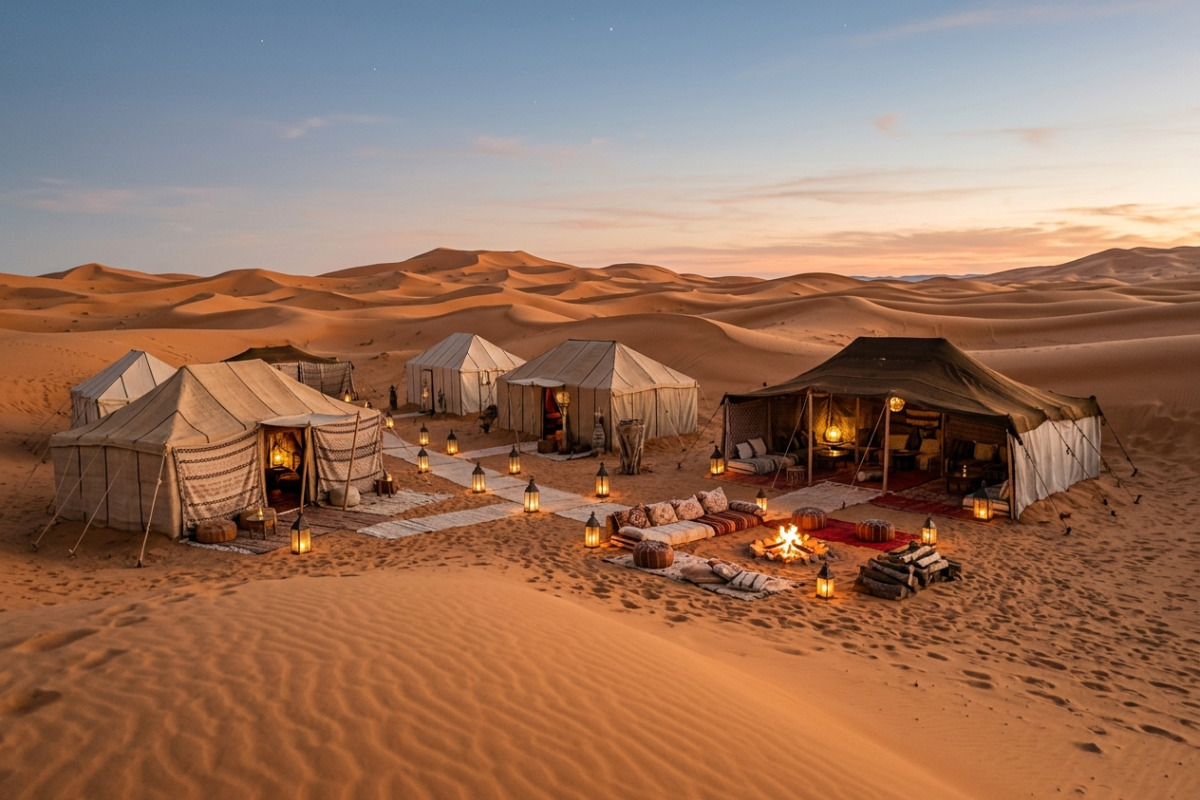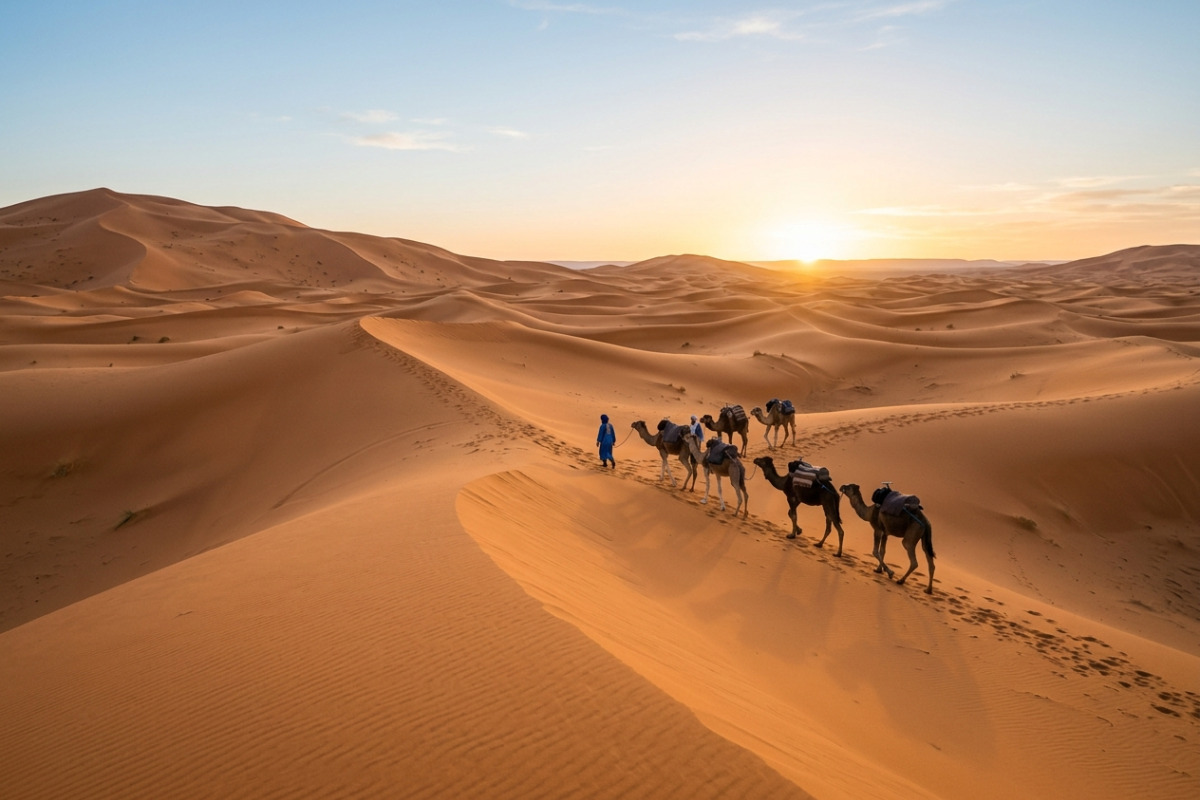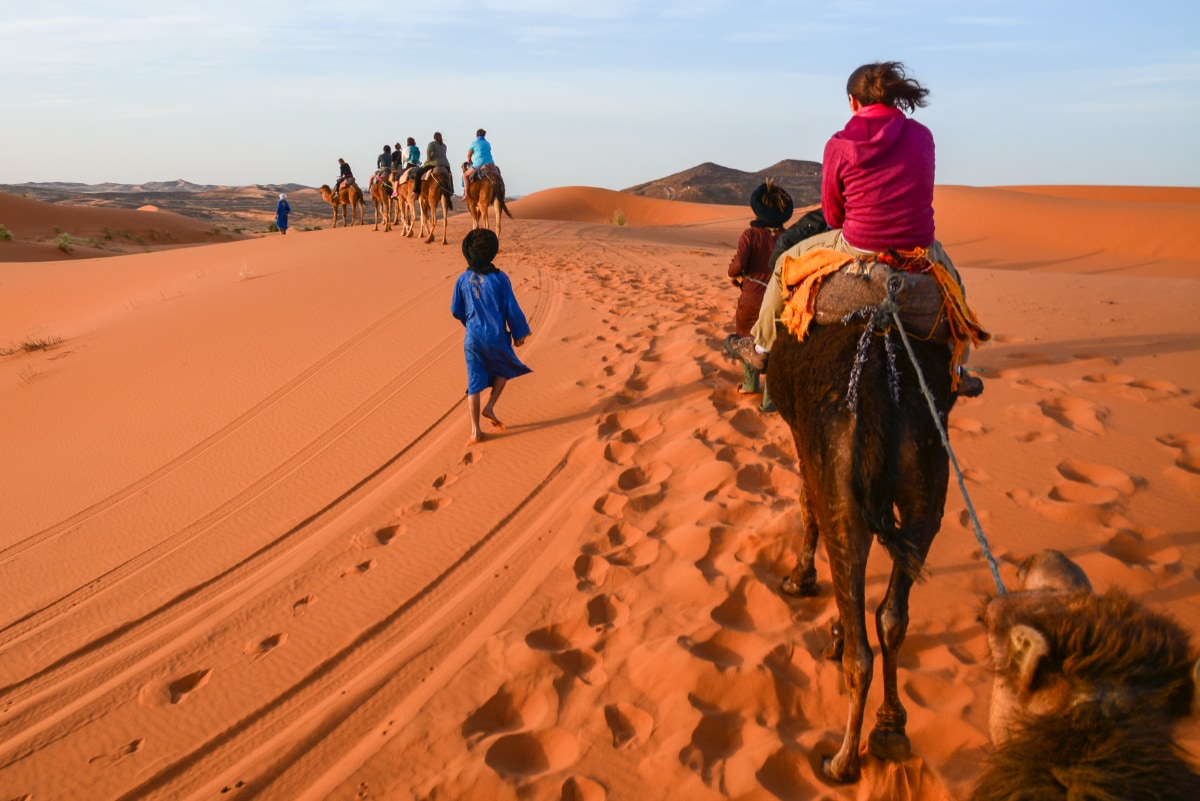
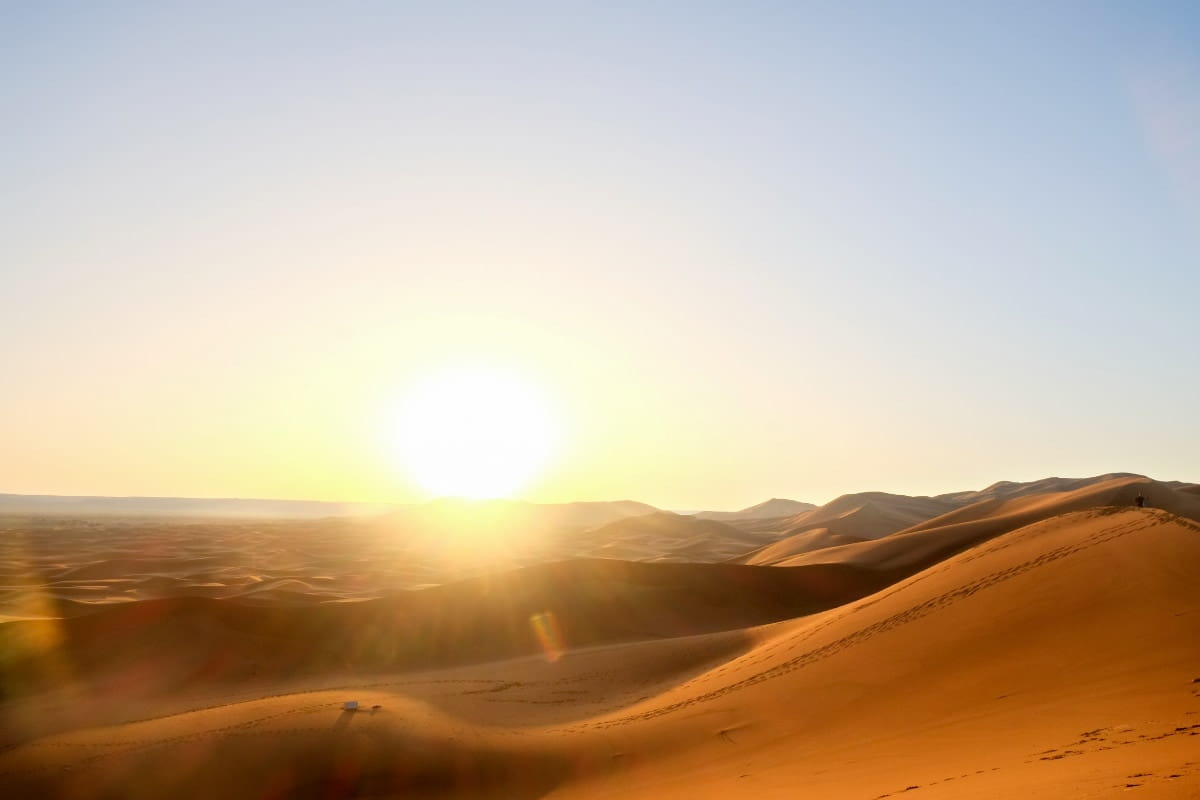
There is a profound silence in the Sahara that you cannot find anywhere else on Earth. It is a silence so heavy and absolute that it feels like a physical presence, broken only by the soft, rhythmic thud of padded hooves against the sand. Imagine capturing this scene - the vast expanse of dunes under an endless sky.
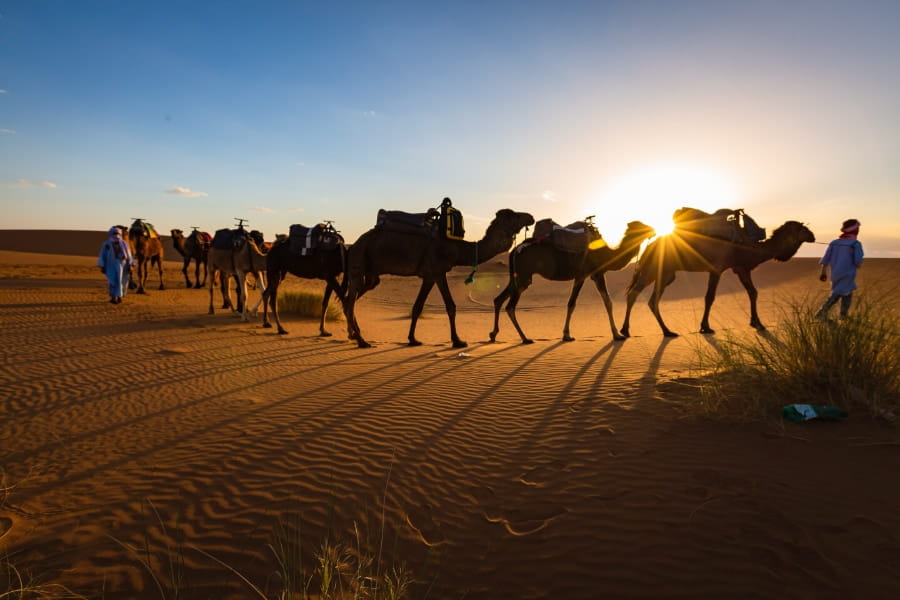
Embarking on a camel trek across the Moroccan desert is not merely a tourist activity; it is a journey back in time, a nod to the ancient caravans that once traded gold, salt, and spices across these shifting landscapes. Whether you are an adventure seeker or a traveler looking for spiritual solitude, the experience of swaying atop a dromedary as the sun paints the dunes in shades of apricot and violet is something that stays with you forever.
However, the desert is an extreme environment, and the difference between a challenging ordeal and a life-changing adventure often lies in preparation. As we move through 2026, the allure of the Sahara remains timeless, but the way we approach it requires modern planning. This guide explores the essential aspects of camel trekking, ensuring you are fully equipped—mentally and physically—for the magic that awaits in the dunes.
Choosing Your Desert Destination
The Moroccan Sahara is vast, and choosing where to start your trek is the first critical decision you will make. While the desert might look uniform in photographs, the regions offer vastly different experiences, landscapes, and levels of accessibility. Generally, travelers must choose between two main gateways, each offering a unique flavor of the Sahara.
Erg Chebbi, located near Merzouga, is famous for its towering, iconic orange dunes that seem to rise out of nowhere. It is more accessible and offers a wide range of luxury camps and amenities, making it perfect for those with limited time.
On the other hand, Erg Chigaga, accessed via M'Hamid, offers a wilder, more remote experience. It requires a longer journey to reach, often involving off-road driving before you even meet your camel, but the reward is a sense of isolation that is truly humbling. To better understand the geography and decide which area suits your travel style, you can Explore Morocco and its diverse desert regions in detail.
The Best Time to Trek
Timing is everything in the desert. The Sahara is a land of extremes, where temperatures can soar to dangerous highs during the day and drop significantly at night. For the most comfortable trekking experience, the window of opportunity is specific.
- October to April: This is the prime trekking season. The daytime temperatures are pleasant (20°C to 25°C), making the ride enjoyable. However, be prepared for cold nights, especially in December and January, where temperatures can dip near freezing.
- May and September: These are shoulder months. Trekking is possible, but it is best done in the early morning or late afternoon to avoid the midday heat.
- June to August: Generally, trekking is discouraged during the summer unless you are extremely heat-tolerant. Temperatures frequently exceed 45°C, making physical exertion dangerous.
Preparing for the Ride: What to Expect
Riding a camel is unlike riding a horse. The motion is a swaying, side-to-side rhythm that can be surprisingly soothing, though it engages muscles you may not realize you have. Most treks to desert camps take between one to two hours. This duration is usually perfect—long enough to immerse yourself in the landscape and watch the sunset, but short enough to avoid significant physical discomfort.
It is important to book with reputable operators who treat their animals well. A healthy camel should look well-fed, free of open sores, and have a calm demeanor. Your guides, often local Berbers or Tuaregs, are masters of the terrain. They will lead the caravan on foot, navigating the dunes by landmarks invisible to the untrained eye. For a deeper look into the types of adventures available, from sunset rides to multi-day crossings, you can review various experiences that cater to different comfort levels.
Essential Packing Guide for the Sahara
Overpacking is a burden in the sand, but underpacking can be miserable. The key is to pack light but smart, focusing on layers and protection against the elements. You will likely leave your main luggage at a hotel or base camp and take only a backpack onto the camel.
| Category | Item | Why It is Essential |
| Clothing | Long, Loose Pants | Protects legs from chafing against the saddle and camel fur. Jeans are often too stiff; trekking trousers are ideal. |
| Clothing | Cheich (Headscarf) | The traditional turban protects your head from the sun and your face from windblown sand. Buy one locally. |
| Clothing | Thermal Layers | Even if it is 25°C in the day, desert nights in winter can feel bone-chilling. Pack a fleece and thermal socks. |
| Gear | Power Bank | Most desert camps run on solar power and may not have outlets in every tent. Keep your camera charged. |
| Health | Sunscreen & Lip Balm | The desert sun is intense, and the dry air will crack lips quickly. High SPF is non-negotiable. |
| Gear | Flashlight/Headlamp | Camps are dimly lit to preserve the stargazing experience. You will need light to navigate your tent. |
Life at the Desert Camp
Arriving at camp is a magical moment. As the camels kneel in the sand, you are usually welcomed with a glass of sweet mint tea—the symbol of Moroccan hospitality. This warm welcome is deeply rooted in Berber traditions, where hospitality is considered a sacred duty. Accommodations range from basic bivouacs with shared facilities to luxury glamping tents with ensuite bathrooms and plush king-sized beds. Regardless of the luxury level, the rhythm of the evening is similar.
Dinner is typically a communal affair featuring tagines, couscous, and fresh bread. Afterward, the guides often build a campfire. This is the heart of the Sahara experience: listening to traditional Gnawa or Berber drumming under a canopy of stars so bright they look like diamonds scattered on black velvet. The music, often passed down through generations, tells stories of the desert, of love, and of resilience. With zero light pollution, the Milky Way is often visible to the naked eye. This is the time to disconnect from the digital world and connect with the stillness around you.
Health, Safety, and Etiquette
While the Sahara is safe, it demands respect. Dehydration is the biggest risk; drink water even if you do not feel thirsty. If you wear contact lenses, consider switching to glasses for the trek, as fine sand can cause severe irritation if it gets trapped under a lens. Regarding photography, always ask for permission before taking close-up photos of local people. However, your guides are usually happy to take photos of you on the camel or help you capture the sunset.
Camel trekking in the Sahara is more than just a transit from point A to point B; it is a meditation on movement and nature. By preparing with the right gear and the right mindset, you open yourself up to one of the most serene and visually stunning experiences travel has to offer. Whether you are watching the sunrise over the Algerian border or laughing with guides by the fire, the desert leaves a mark on your soul that never quite fades away.