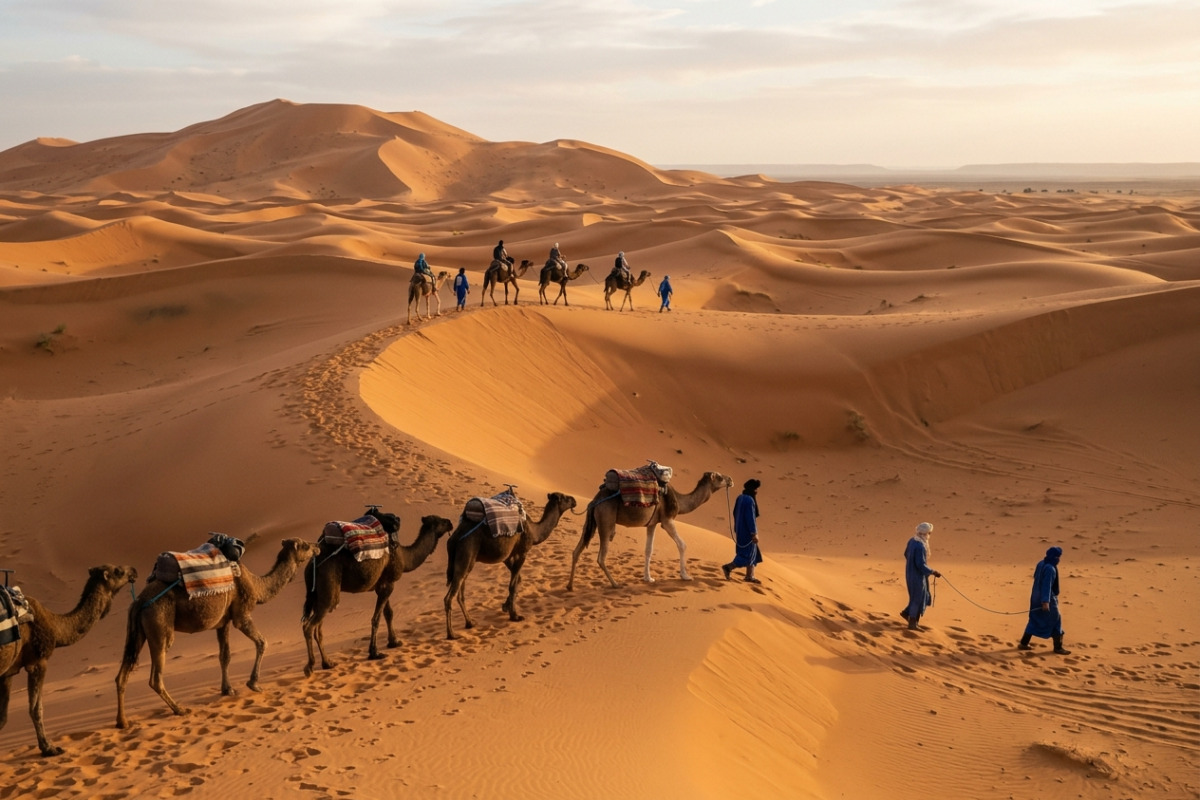
To step into the Sahara is to step into a cathedral built not by hands, but by time and wind. For centuries, the vast silence of the desert has served as a canvas for the divine, a place where the barrier between the earthly and the spiritual seems remarkably thin. As we move through January 2026, the allure of this spiritual landscape remains as potent as ever, drawing travelers who seek more than just scenic dunes but a connection to something ancient and enduring. The spiritual life of the Sahara is not a monolith; it is a rich tapestry woven from the golden threads of Islam and the vibrant, earthy hues of indigenous traditions that have survived for millennia. Understanding this complex belief system is essential for any traveler wishing to truly comprehend the heartbeat of this region, where faith is not merely a Sunday practice but the rhythm by which life is lived, from the rising sun to the guiding stars.
The Call of the Minaret: Islam in the Desert
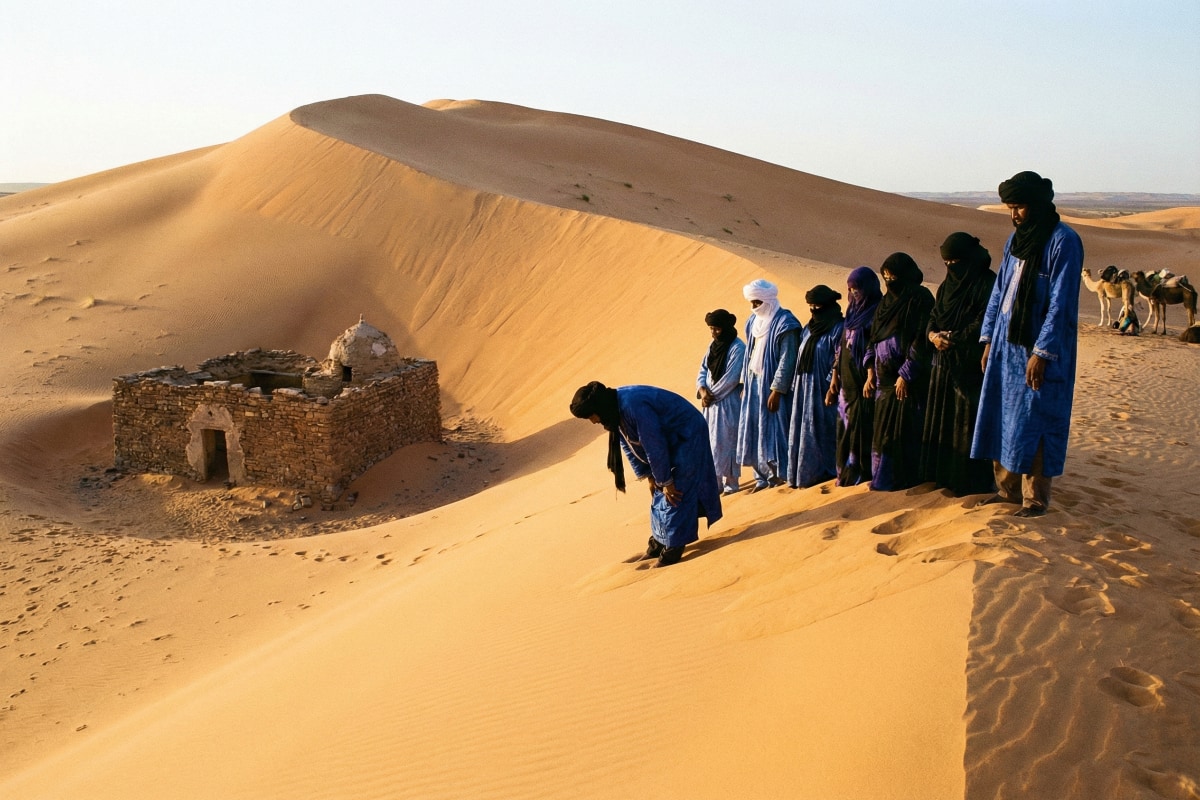
Islam is the predominant religion in the Sahara, particularly across Morocco and North Africa, serving as the foundational pillar of society. The religion arrived in the region in the 7th century, carried by traders and travelers along the trans-Saharan caravan routes, and it took root deeply, adapting to the harsh environment of the desert. In the Sahara, the call to prayer (Adhan) holds a special resonance; when it echoes across a quiet oasis or a dusty settlement, it commands a reverence that brings the entire community to a halt. It is a reminder of unity and discipline, structuring the day around the five prayers, which provide a spiritual anchor in a landscape that can often feel boundless and overwhelming. This devotion shapes the local worldview, fostering a sense of resignation to God's will (Maktub), which helps the desert dwellers navigate the uncertainties of nature with grace and patience.
The Mystical Path: Sufism and the Zaouias
Within the broader framework of Islam, the Sahara has long been a stronghold for Sufism, the mystical dimension of the faith that emphasizes an inward search for God and the purification of the soul. Throughout the desert regions, you will find 'Zaouias'—religious lodges or schools that historically served as centers for spiritual learning, mediation, and social welfare. These brotherhoods played a crucial role in maintaining peace among tribes and offering sanctuary to travelers crossing the perilous sands. Today, the legacy of these Sufi saints is still palpable. Many travelers who Explore Morocco and its southern territories are often struck by the numerous shrines (marabouts) dotting the landscape. These white-washed domes are the resting places of holy men and women, visited by locals seeking blessings (Baraka) or healing, illustrating a softer, more personal approach to the divine that complements the legalistic aspects of orthodox Islam.
Whispers of the Ancients: Indigenous Beliefs and Folklore
Before the arrival of monotheism, the Sahara was alive with the spiritual practices of the Amazigh (Berber) people and other indigenous groups, who viewed the natural world as being inhabited by unseen forces. While Islam is the practiced religion, these ancient beliefs have not vanished; rather, they have been absorbed and reinterpreted, living on in folklore, superstitions, and cultural rituals. The desert is often perceived as the dwelling place of the Jinn (spirits), entities mentioned in the Quran but whose characteristics in Saharan folklore draw heavily from pre-Islamic animism. These spirits are believed to inhabit specific rocks, caves, or abandoned ruins, commanding a respectful distance and specific protective rituals from the locals. One such legend speaks of the 'Tazmamart Jinn,' said to guard hidden oases and punish those who disrespect the desert's delicate balance. These Jinn are often depicted as shapeshifters, appearing as sandstorms or mirages to test the worthiness of travelers. Another common belief revolves around the 'Boujdour Curse,' a tale of a forgotten city swallowed by the sands, its treasures protected by vengeful spirits who bring misfortune to those who seek them. This deep respect for the 'seen and unseen' environment fosters a unique ecological stewardship, where polluting a water source or cutting down a sacred tree is seen not just as a physical act, but a spiritual transgression.
The Harmonies of Syncretism
The beauty of Saharan spirituality lies in its syncretism—the seamless blending of Islamic dogma with local custom. This is not a conflict of interest but a harmonious coexistence that creates a unique cultural identity. For example, while a healing ceremony might begin with verses from the Quran, it may also involve the use of herbal remedies, talismans, or rhythmic music associated with the Gnawa tradition to purge negative energy. To understand how these layers interact, we can look at how different elements of life are viewed through both lenses:
| Life Element | Islamic Perspective | Indigenous/Folk Tradition | Saharan Synthesis |
| Water | A gift from God, essential for purification (Wudu). | A living entity, often guarded by spirits. | Water sources are sacred sanctuaries; wasting water is a sin against both God and nature. |
| Illness | A test of faith or natural occurrence. | Caused by the Evil Eye or spirits. | Treatment involves modern medicine, Quranic recitation, and traditional herbalism. |
| Protection | Prayer and reliance on Allah. | Amulets (Hamsa), silver jewelry, and symbols. | Wearing silver jewelry with protective symbols while maintaining daily prayers. |
| Hospitality | A religious duty and charity. | A tribal code of honor and survival. | The guest is treated as a 'Guest of God' with absolute generosity and protection. |
Sacred Hospitality: Where Culture Meets Faith
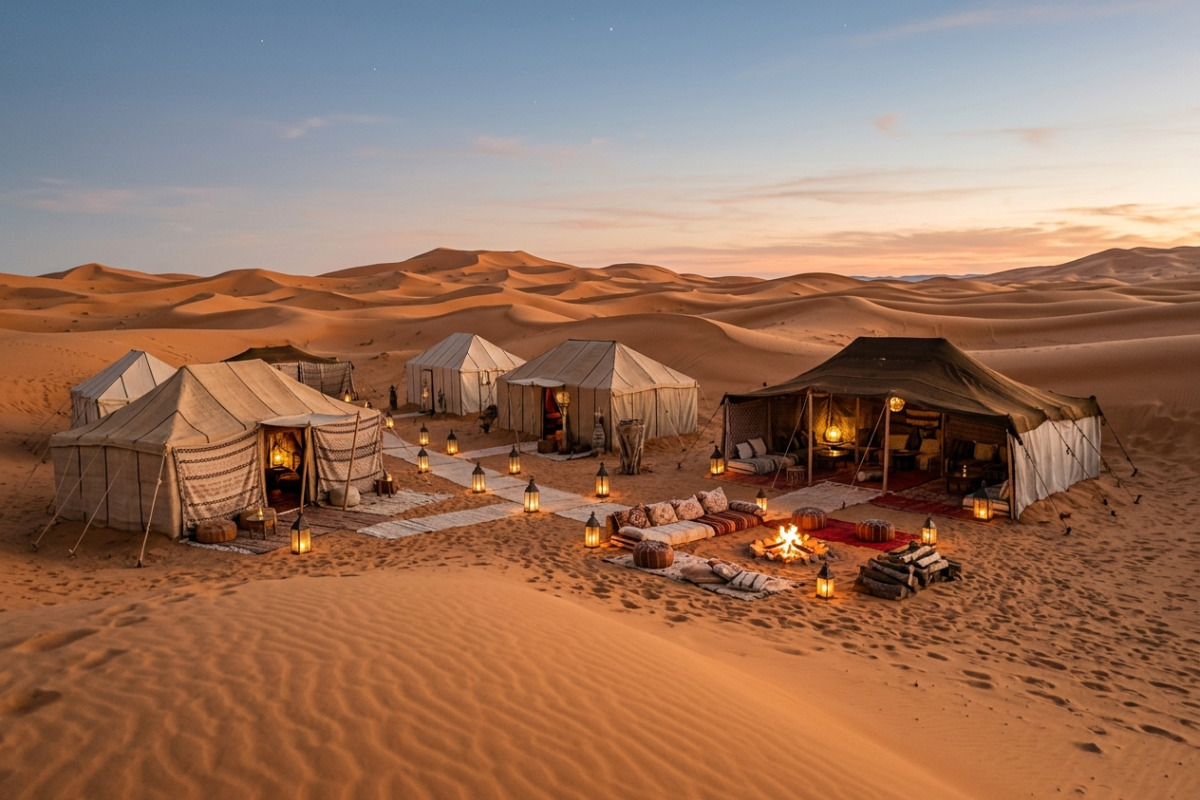
Perhaps the most tangible manifestation of Saharan spirituality for a visitor is the overwhelming culture of hospitality. In the desert, hospitality is not merely good manners; it is a sacred duty and a form of worship known as 'Diyafa'. This tradition stems from the harsh realities of desert life, where denying a traveler shelter or water could mean death, but it is reinforced by religious teachings that elevate the guest to a high status. When you are welcomed into a nomad's tent or a local home, you are not just a tourist; you are a blessing sent by God. This perspective fundamentally shifts the dynamic of travel, turning simple interactions into meaningful exchanges of humanity. Participating in these communal moments is one of the most transformative experiences a traveler can have, offering a window into a value system that prioritizes community and generosity over material wealth.
The Ritual of Tea as Communion
The preparation and serving of tea in the Sahara is a ritual that transcends simple refreshment; it is a meditative practice and a social sacrament. The process is slow and deliberate, often taking nearly an hour, which forces everyone to slow down and be present in the moment. The three glasses of tea traditionally served—said to be "bitter as life, strong as love, and gentle as death"—mirror the cycles of existence and the passage of time. Refusing tea can be seen as a rejection of this bond, whereas accepting it is an acceptance of friendship and peace. During these gatherings, conversations often turn to matters of life, family, and faith, allowing the spiritual values of the community to be transmitted orally across generations.
Navigating the Sacred: A Traveler’s Guide
For the modern traveler visiting the Sahara in 2026, navigating this spiritual landscape requires sensitivity and respect. While the locals are incredibly welcoming, their lives are governed by codes of modesty and reverence that should be honored. Understanding these nuances not only prevents cultural faux pas but also deepens the connection with the host community. Here are key considerations for engaging with the spiritual side of the Sahara:
- Dress Modestly: In rural and desert areas, both men and women should dress conservatively, covering shoulders and knees, to show respect for local values.
- Ask Before Photographing: People are not exhibits. Always ask for permission before taking photos, especially of women or religious sites, as some believe photography captures a piece of the soul or attracts the evil eye.
- Respect Prayer Times: If your guide or driver stops for prayer, use this time to enjoy the silence of the desert rather than rushing them; patience is a highly valued virtue here.
- Handle Bread with Care: Bread is considered sacred sustenance. It should never be thrown on the ground or in the trash with other waste; it is usually placed aside for animals to eat.
- Friday is Holy: Remember that Friday is the holy day (Jumu'ah). Many shops may close for the midday prayer, and the pace of life slows down significantly.
The spiritual landscape of the Sahara is as vast and moving as its physical geography. It is a place where the wind whispers ancient secrets and the silence speaks of the divine. By understanding the interplay between Islam and indigenous traditions, travelers can look beyond the dunes and see the desert for what it truly is: a sanctuary of the soul, where the values of faith, community, and hospitality create a refuge from the chaotic pace of the modern world.