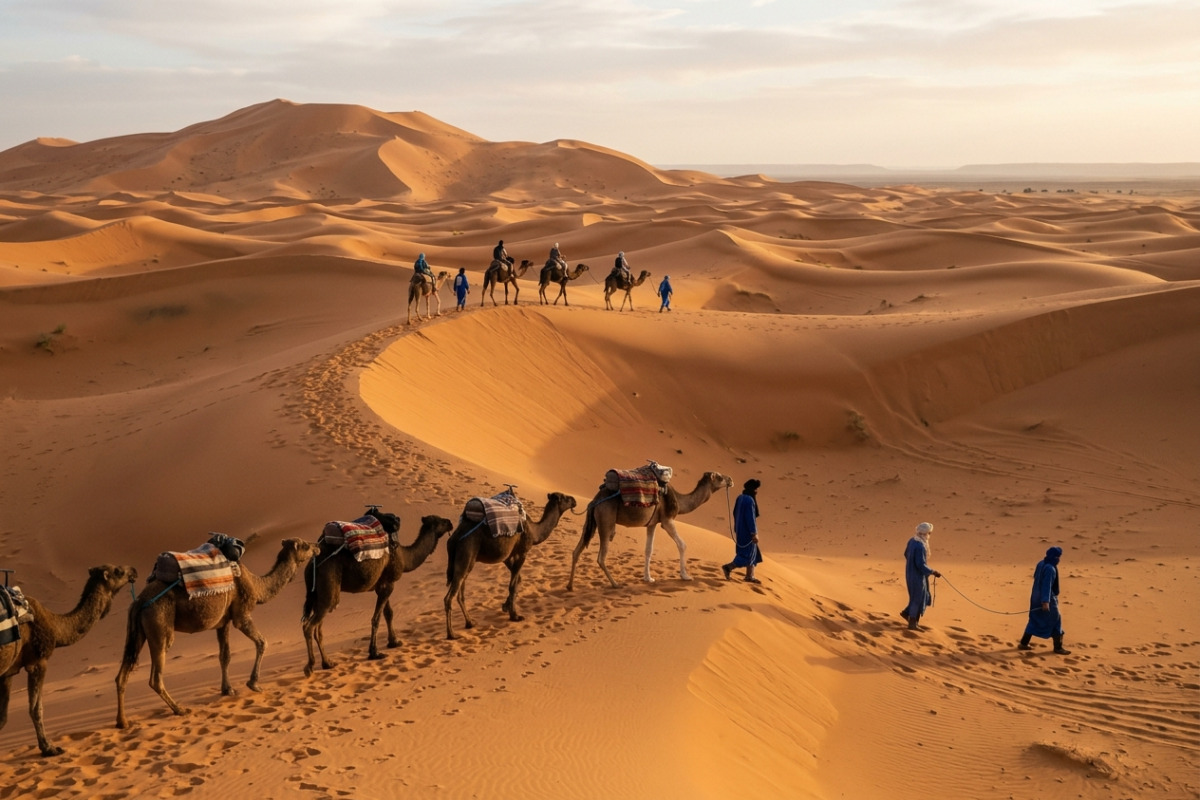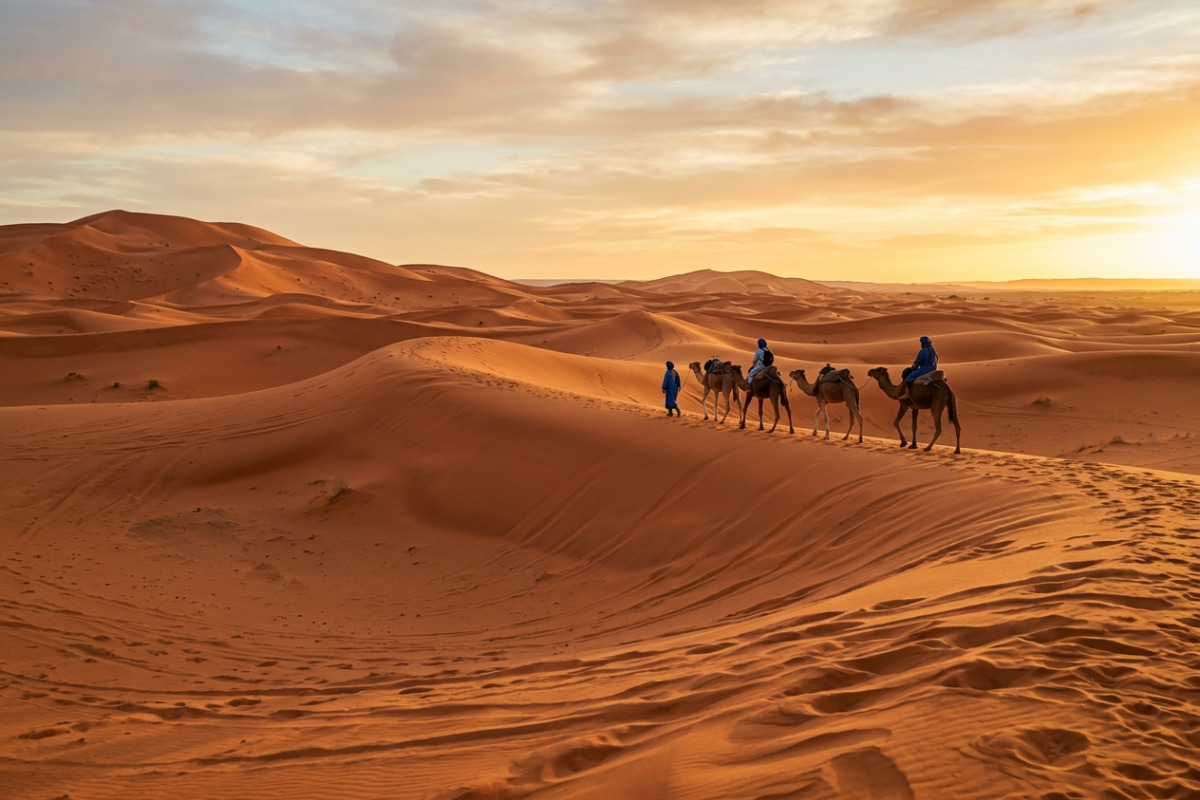
The vast expanse of the Sahara Desert is often associated with profound silence, shifting dunes, and an endless horizon. However, for those who truly know this region, the desert is equally defined by its rhythm, its voice, and its vibrant capacity for celebration. Across the southern provinces of Morocco and the broader Saharan region, festivals are not merely events; they are the lifeblood of cultural preservation. As we move through January 2026, the anticipation for the upcoming season of gatherings is palpable. These festivals serve as a dynamic stage where ancient traditions meet modern expression, creating a unique space for communities to reinforce their bonds and for travelers to witness the authentic soul of the desert.
For centuries, the nomadic tribes of the Sahara utilized these gatherings, often referred to as 'Moussems', as vital points of convergence. In a landscape where isolation is a geographical reality, coming together was essential for trade, exchanging news, arranging marriages, and resolving tribal disputes. Today, while the logistics of life have modernized, the essence of these festivals remains unchanged. They are a celebration of survival, heritage, and the profound social cohesion that allows desert societies to thrive despite harsh environmental conditions. Visitors who take the time to Explore Morocco and its southern territories often find that these festivals provide the most intimate window into the local way of life.
The Rhythms of Resilience: Music and Dance
Music in the Sahara is never performed in a vacuum; it is a participatory act that involves the entire community. At the heart of almost every Saharan festival is the hypnotic beat of the drum and the call-and-response style of singing that traces its roots back to diverse African and Amazigh influences. The music serves as an oral history archive, preserving stories of ancestors, battles won, and the spiritual connection to the land. When you attend these events, you are not just a spectator; the vibration of the music invites you to understand the emotional landscape of the people.
Dance forms such as the Guedra are particularly significant during these celebrations. Performed traditionally by women, the dance involves intricate hand and finger movements that symbolize positive energy, peace, and submission to the divine will. It is a mesmerizing display that transcends language barriers. Similarly, the rhythmic stomping and chanting of the men’s Ahidous or Gnaoua performances create a trance-like atmosphere that unites the crowd. These artistic expressions are crucial for passing down heritage to younger generations, ensuring that the cultural identity remains intact even as the world digitizes.
Social Cohesion and Community Bonding
Beyond the spectacle of performance, Saharan festivals function as a powerful mechanism for social cohesion. In many desert towns and oases, these events are the highlight of the annual calendar, requiring months of collective preparation. This collaborative effort strengthens neighborly ties and fosters a sense of shared ownership over the local culture. The festivals provide a neutral ground where different tribes and diverse social groups mingle freely, reinforcing a sense of unity that is vital for stability in the region.
The social aspect extends to the concept of hospitality, which is paramount in Saharan culture. During festival times, the boundaries between the host and the guest blur. Locals open their homes and tents, sharing tea and meals with visitors from distant cities or foreign countries. This radical hospitality breaks down stereotypes and builds bridges of understanding. For travelers seeking immersive experiences, these interactions offer a depth of connection that standard sightseeing simply cannot match. You learn that the festival is not just about what happens on the stage, but the conversations that happen around the tea tray under the starlit sky. For instance, families often pool resources to host communal meals, showcasing their culinary traditions and strengthening bonds within the extended family and the wider community. Another example is the collaborative creation of festival decorations, where individuals from different backgrounds come together to contribute their skills, fostering a sense of collective achievement and shared identity.
Key Festivals Defining the Saharan Calendar
While there are numerous local gatherings throughout the year, several major festivals have gained international acclaim for their scale and cultural significance. These events are carefully curated to showcase the best of nomadic traditions while welcoming global audiences. The following table highlights some of the most significant gatherings you might encounter on your journey:
| Festival Name | Typical Location | Focus & Highlights | Cultural Significance |
| Tan-Tan Moussem | Tan-Tan | Nomadic traditions, camel races, and tribal exchange. | Recognized by UNESCO as a Masterpiece of the Oral and Intangible Heritage of Humanity. |
| International Nomads Festival | M'hamid El Ghizlane | Music, art, and forums on nomadic culture. | Focuses on the preservation of nomadic heritage and environmental sustainability. |
| Taragalte Festival | M'hamid (near the dunes) | Desert blues, poetry, and stargazing. | Celebrates the peace and cultural diversity of the Sahara, often held under the open sky. |
| Date Festival | Erfoud | Harvest celebration, commerce, and folklore. | Marks the end of the date harvest, vital for the local economy and agricultural heritage. |
Art, Craftsmanship, and Oral Traditions
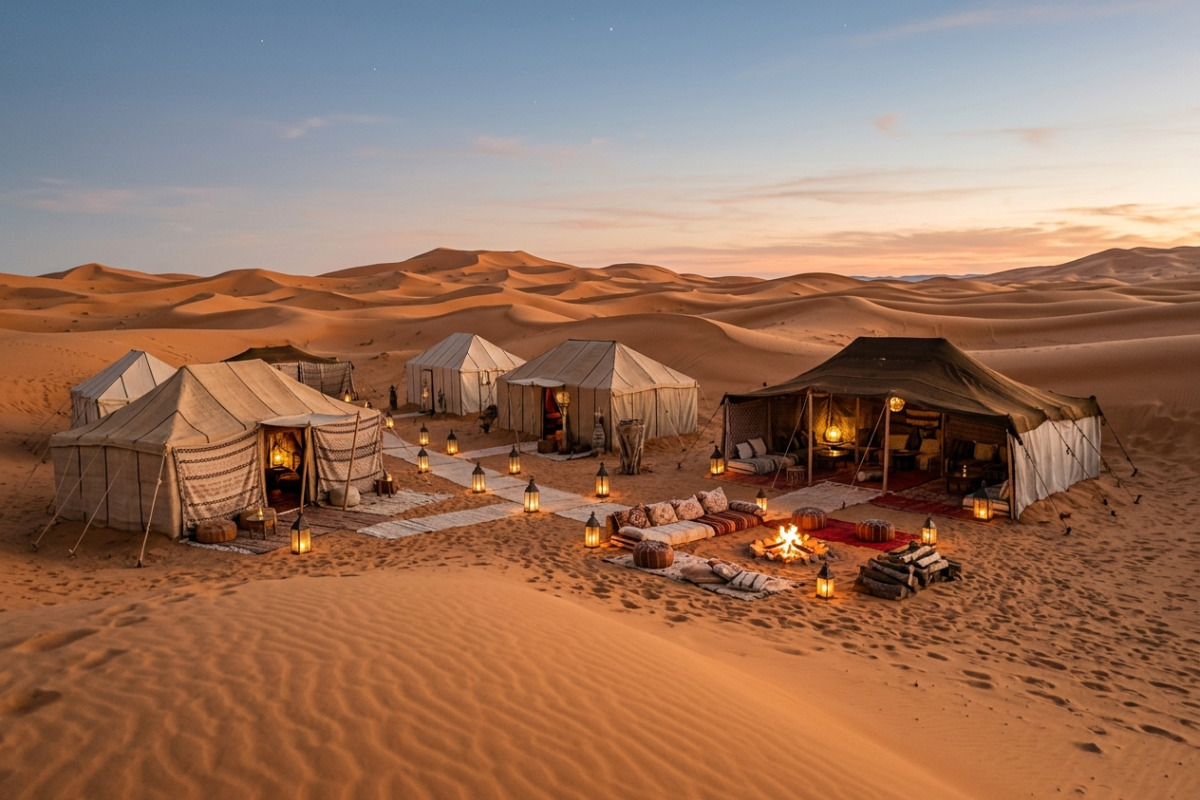
While music often takes center stage, Saharan festivals are also vibrant showcases for visual arts and craftsmanship. The 'Kheimas' (traditional tents) pitched during these events often house exhibitions of intricate leatherwork, silver jewelry, and hand-woven carpets. These items are not merely decorative; they carry the symbols and motifs of specific tribes, telling stories of lineage and protection. Artisans use these gatherings to sell their wares, certainly, but also to demonstrate their techniques to the youth, ensuring that the knowledge of how to treat leather or work silver is not lost.
Poetry plays a pivotal role in these gatherings as well. The Hassani culture, prominent in the Moroccan Sahara, places a high value on the spoken word. Poetry competitions are common, where poets recite verses celebrating the beauty of the desert, the virtue of patience, and the intricacies of love. These recitations are delivered with passion and are often accompanied by the lute-like Tidinit. For the non-Arabic speaker, the emotion conveyed through the cadence and tone of the poet is often enough to grasp the profound sentiment behind the words.
The Role of Festivals in Modern Development
It is important to recognize that these festivals are also engines of sustainable development for Saharan regions. They bring visibility to remote areas, driving eco-tourism and supporting the local economy. By placing value on traditional culture, the festivals give young people a reason to be proud of their heritage and to see a future within their home regions rather than migrating to larger northern cities.
- Economic Boost: Influx of visitors supports local guesthouses, guides, and artisans.
- Cultural Pride:Validates local traditions on an international stage.
- Infrastructure: Often leads to improved roads and facilities in host towns.
- Environmental Awareness: Many festivals now incorporate themes of desert conservation and water preservation.
Practical Tips for Attending
Attending a Saharan festival is an adventure that requires some preparation to ensure a respectful and enjoyable experience. The desert environment is demanding, and the cultural context is conservative yet welcoming. Here are a few things to keep in mind when planning your visit:
First, dress modestly. While the atmosphere is celebratory, it is respectful to cover shoulders and knees, blending in with the local norms. Second, be prepared for the climate; days can be hot while nights in the desert can drop to freezing temperatures, so layering is essential. Hydration is key, as the excitement can make you forget how dry the air is. Finally, always ask for permission before photographing individuals, especially women. The festivals are photogenic, but the dignity of the participants comes first. Engaging with the locals, perhaps by learning a few words of the local dialect, will open more doors than any camera lens ever could.
As we navigate through 2026, the allure of the Sahara remains as potent as ever. The festivals of this region offer a rare opportunity to witness joy in its purest form—rooted in history, shared in community, and echoed against the timeless backdrop of the dunes. Whether you are drawn by the spiritual rhythms of the Gnaoua or the grand spectacle of the Tan-Tan Moussem, you will leave with a deeper understanding of what it means to belong to the desert.