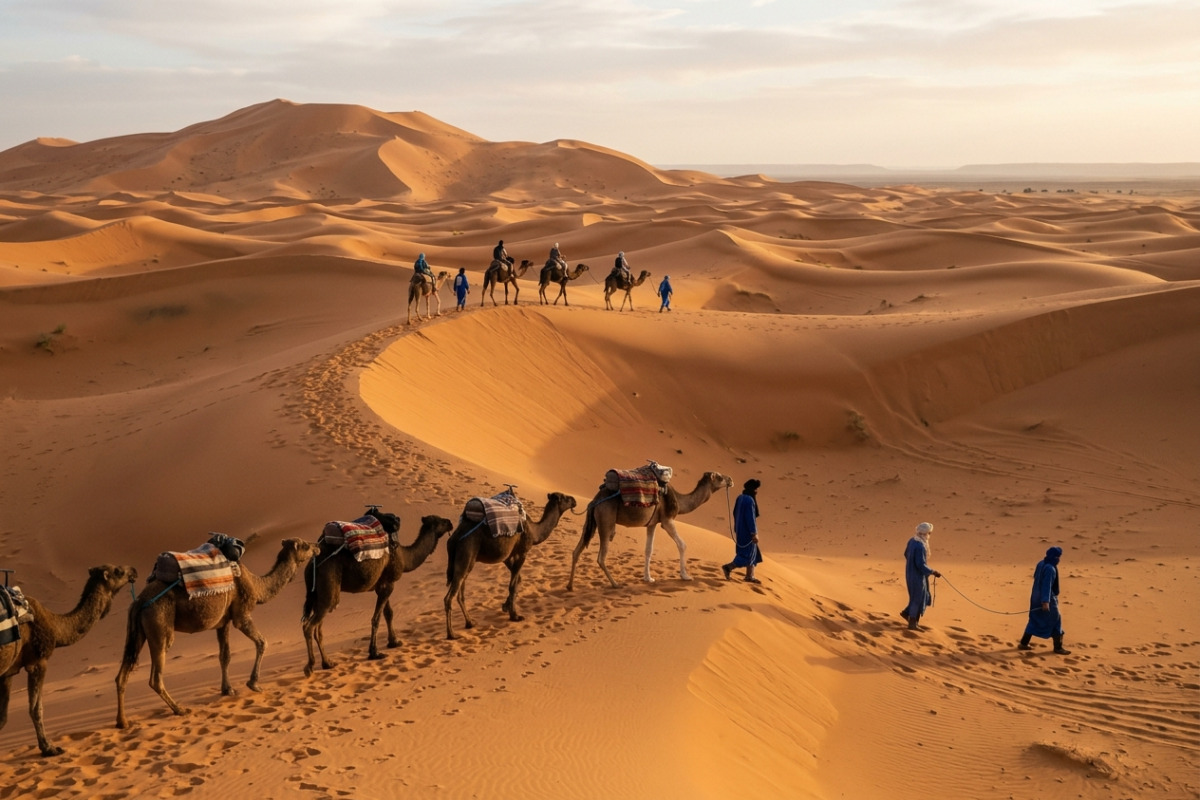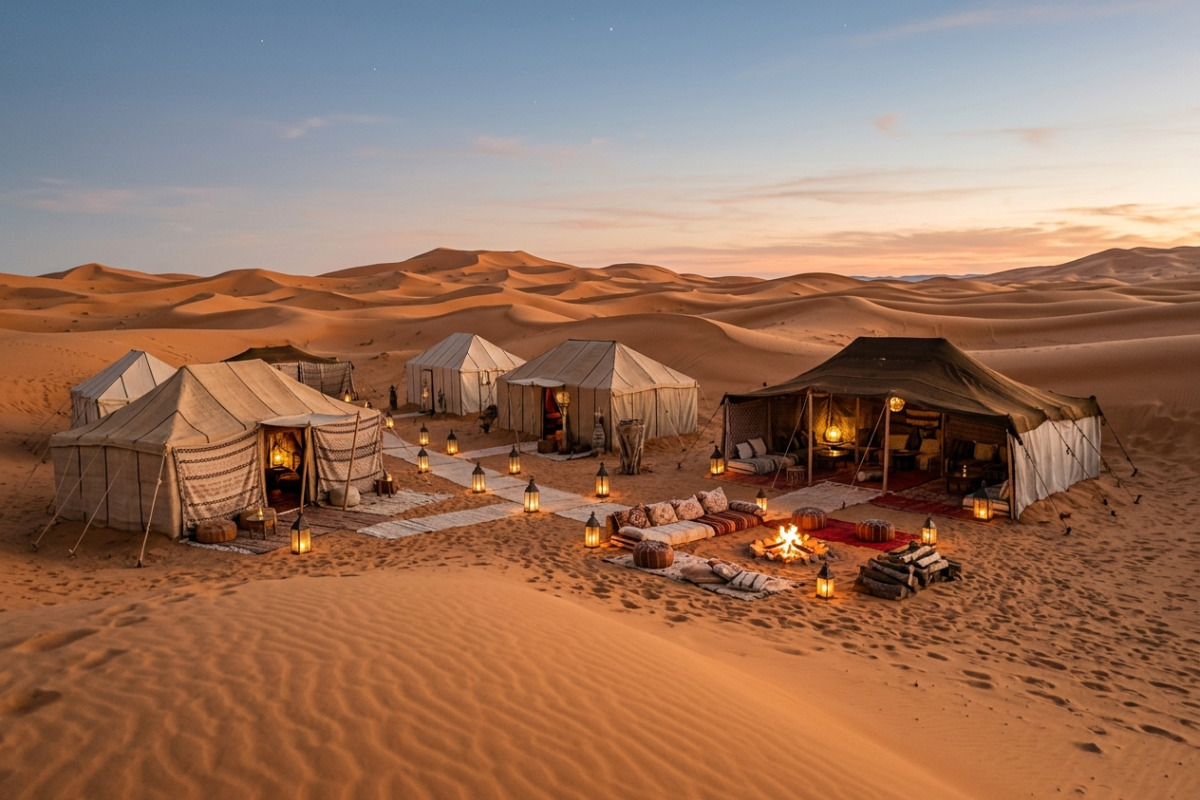
Stepping into the vast, golden expanse of the Sahara Desert is a dream for many travelers, offering a silence and beauty that is unlike anywhere else on Earth. Imagine yourself atop a majestic camel, the sun painting the dunes in hues of orange and gold. However, the desert is an extreme environment that demands respect, preparation, and a keen awareness of your surroundings to ensure the experience remains a positive memory. While the allure of riding a camel into the sunset is undeniable, the physical reality of the heat, the terrain, and the animal itself requires a specific set of safety protocols. Whether you are a seasoned adventurer or a first-time visitor to North Africa, understanding the unique challenges of this landscape is the first step toward a successful journey.
Safety in the Sahara goes beyond simply carrying a water bottle; it involves a holistic approach to your physical well-being and your interaction with the environment. From the moment you mount your camel to the nights spent under the stars, every decision impacts your comfort and security. By following practical advice regarding gear, hydration, and animal handling, you can mitigate risks and focus entirely on the breathtaking scenery around you. This guide outlines the critical safety measures every traveler should know before venturing into the dunes. Think of it as your essential survival kit for an unforgettable Sahara experience.
Mastering Desert Hydration and Health
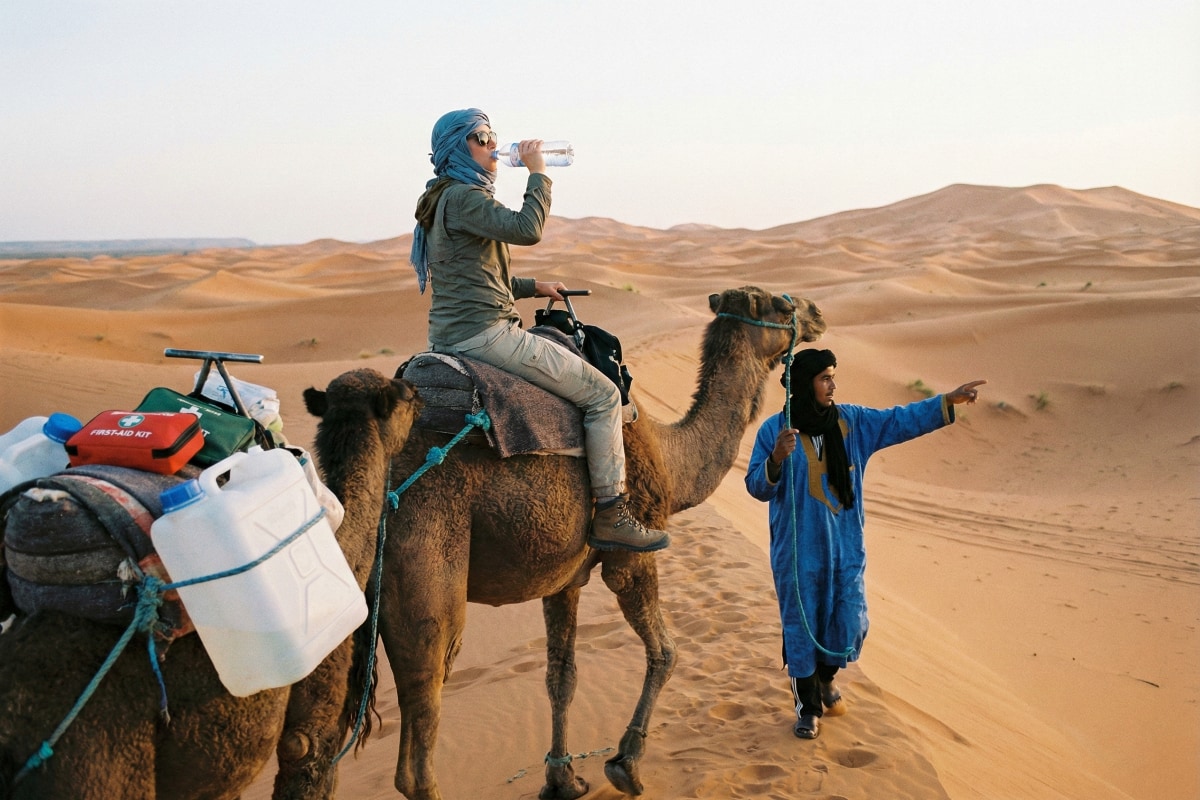
The most immediate danger in the Sahara is dehydration, which can set in far more rapidly than most travelers anticipate due to the dry air evaporating sweat instantly. It is not enough to drink only when you feel thirsty; you must proactively consume water throughout the day to maintain your body's equilibrium. A good rule of thumb is to drink at least three to four liters of water per day, and even more if you are trekking during the hotter months of the year. Electrolyte tablets or powders are an essential addition to your water supply, as they replace the salts lost through perspiration that plain water cannot restore. Pro Tip: Start hydrating a day or two *before* your trek begins to pre-emptively combat dehydration.
Beyond water intake, protecting your skin from the relentless sun is a vital safety component that prevents heatstroke and severe burns. High-SPF sunscreen should be applied generously and reapplied frequently, even if the sun feels obscured by a haze or if there is a breeze. It is also important to monitor your body for signs of heat exhaustion, such as dizziness, headache, or nausea, and to communicate immediately with your guide if you feel unwell. When you Explore Morocco and its desert regions, remember that the sun is strongest between 11:00 AM and 3:00 PM, making this the best time to seek shade. Personal Experience: On my first Sahara trek, I underestimated the sun's power and ended up with a painful sunburn despite applying sunscreen. Learn from my mistake and be diligent!
Dressing for the Extreme Environment
Your choice of clothing acts as your primary defense against the harsh desert elements, including the sun, wind, and sand. Contrary to what might seem logical, wearing long sleeves and long trousers is safer and cooler than wearing shorts and tank tops because they trap moisture near the skin and reflect the sun's rays. Loose-fitting, breathable fabrics like cotton or linen allow air to circulate while providing a physical barrier against sunburn and abrasive sand particles during windy conditions. A wide-brimmed hat is useful, but the traditional Berber headscarf, known as a 'cheich' or 'tagelmust,' offers superior protection by covering the head, neck, and face simultaneously. Practical Tip: Practice wrapping your cheich before your trek. There are many online tutorials that can help you master this essential skill.
Footwear is another critical consideration for safety, as walking on sand dunes can be difficult and the ground can hide sharp rocks or desert thorns. Sturdy, closed-toe shoes or hiking sandals with socks are recommended to prevent blisters and protect your feet from the scorching heat of the sand. Avoid flip-flops or open sandals, as they provide no support for trekking and leave your feet vulnerable to insect bites or burns. Properly dressing for the occasion allows you to enjoy the diverse Experiences the Sahara offers without physical discomfort distracting you. Insider Tip: Pack a pair of gaiters to keep sand out of your shoes. You'll thank me later!
Safe Interaction with Camels
Camels are gentle giants, generally calm and accustomed to humans, but they are still large, powerful animals that require careful handling. The most critical moment for safety is during the mounting and dismounting process, as the camel stands up and sits down in a jerky, three-motion sequence. You must hold onto the saddle handle firmly and lean back when the camel rises on its hind legs, then lean forward as it straightens its front legs to avoid falling over the handlebars. Listen closely to your camel handler's instructions, as they understand the temperament of their animals better than anyone else. Important Note: Camels can sometimes be unpredictable. Always be aware of your surroundings and maintain a safe distance when not riding.
Once the trek begins, maintaining a proper posture in the saddle is essential to prevent back pain and ensure you stay securely seated while the animal moves. Sway with the camel's rhythm rather than fighting against it, and keep your legs relaxed around the camel's sides. Never attempt to startle the camel, make sudden loud noises, or walk directly behind it, as this can spook the animal and cause accidents. Treating the animal with respect ensures a smoother ride and a safer journey for everyone involved. Remember: These animals are working hard to carry you across the desert. Treat them with kindness and respect.
Essential Packing Checklist for Safety
To ensure you are fully prepared for the specific challenges of a camel trek, having the right gear in your day pack is non-negotiable. This table outlines the must-have items that contribute directly to your safety and well-being during the trek.
| Category | Item | Why It Is Essential for Safety |
| Health | Rehydration Salts | Prevents dangerous electrolyte imbalances caused by sweating. |
| Protection | UV Sunglasses | Protects eyes from the intense glare reflecting off the sand. |
| First Aid | Basic Kit | Includes blister plasters, painkillers, and antiseptic wipes. |
| Navigation | Whistle & Flashlight | Vital for signaling help if you get separated from the group at night. |
| Clothing | Warm Layer | Temperatures drop drastically at night; hypothermia is a risk. |
Navigating the Terrain and Listening to Guides
The Sahara is a shifting landscape where landmarks can disappear overnight due to wind, making navigation incredibly difficult for the untrained eye. It is imperative that you never wander away from your camp or your trekking group, especially during sandstorms or after dark. Your guides are usually locals who have grown up in this environment; their knowledge of the terrain, weather patterns, and safe paths is your most valuable safety resource. Trust their judgment regarding route changes or rest stops, as they can spot potential hazards long before you can. Lesson Learned: I once ignored my guide's advice to take a detour around a particularly steep dune and ended up sinking knee-deep in soft sand. He was right, of course!
The terrain itself presents physical challenges, particularly when walking up or down steep dunes where the sand can shift beneath your feet. When walking, place your feet firmly and try to step in the footprints of the person or camel in front of you to save energy and ensure stable footing. If you encounter a sandstorm, the safest course of action is to stop, group together, sit with your back to the wind, and cover your face with your scarf until it passes. Attempting to push through a storm can lead to disorientation and separation from your group. Safety First: Sandstorms can be frightening, but staying calm and following your guide's instructions is crucial.
Wildlife and Environmental Awareness
While the Sahara may seem barren, it is home to various forms of wildlife, some of which require caution to avoid injury. Scorpions and vipers are present in the desert, though they typically avoid human contact and are mostly active at night. To stay safe, always shake out your shoes and clothes before putting them on in the morning, and never walk barefoot around the camp after sunset. Using a flashlight when moving around at night is a simple precaution that prevents accidental encounters with these creatures. Did You Know?: Camels are surprisingly good at detecting snakes and will often avoid areas where they are present.
Environmental awareness also extends to waste management; leaving no trace is crucial for the safety of the ecosystem and future travelers. Buried trash can be dug up by animals or exposed by the wind, creating hazards and polluting the pristine environment. Carry a small trash bag with you to pack out everything you bring in, including hygiene products. By respecting the wildlife and the land, you contribute to a safer and more sustainable travel environment for everyone. Leave No Trace: Pack it in, pack it out. Let's keep the Sahara beautiful for generations to come.
Ultimately, a camel trek in the Sahara is a safe and transformative experience when approached with the right mindset and preparation. By prioritizing hydration, wearing appropriate clothing, respecting the animals, and listening to your experienced guides, you can mitigate the risks associated with this extreme environment. The desert rewards those who are prepared with unparalleled beauty and a sense of peace that is hard to find elsewhere in the modern world. So, pack your bags, prepare yourself, and get ready for the adventure of a lifetime!