The vast expanse of the Sahara is often depicted as an endless sea of golden dunes, a barren landscape where life struggles to find a foothold, yet this perception misses the desert's most enchanting secret. Hidden within these arid folds lie the true miracles of nature: the mystical oases that appear like emerald islands in an ocean of sand. These verdant sanctuaries are not merely stopping points for weary travelers but are vibrant ecosystems teeming with life, history, and culture. Stepping into an oasis is a sensory transformation, where the scorching heat of the open desert is instantly replaced by the cool, refreshing shade of towering date palms and the soothing sound of trickling water.
For the intrepid traveler in January 2026, exploring these hidden gems offers a profound connection to the earth and a glimpse into a way of life that has persisted for millennia. The contrast between the harsh, unforgiving dunes and the lush abundance of the oasis creates a unique atmosphere that captivates the soul. It is here, under the canopy of green, that one truly understands the resilience of nature and the ingenuity of the human spirit in adapting to one of the world's most extreme environments.
The Lifeline of the Sands: Understanding the Oasis Ecosystem
An oasis is far more than just a pool of water; it is a sophisticated, multi-layered agricultural system that sustains life against all odds. The architecture of these green havens is a masterclass in permaculture, typically structured in three distinct layers to maximize shade and moisture retention. The top layer consists of the majestic date palms, whose broad fronds act as a natural umbrella, shielding the crops below from the intense Saharan sun. Beneath them, fruit trees such as pomegranates, figs, apricots, and citrus thrive in the dappled light, creating a secondary canopy of abundance. On the ground level, farmers cultivate vegetables, herbs, and fodder for livestock, utilizing every square inch of the fertile soil protected by the trees above.
Water management in these regions is nothing short of miraculous, relying on ancient techniques that continue to function efficiently today. The lifeblood of the oasis often comes from underground aquifers, tapped into via systems like the khettara (or foggara), a network of underground canals that transport water over long distances without evaporation. This delicate balance of flora and water management creates a microclimate that is significantly cooler and more humid than the surrounding desert, allowing a diverse range of species to flourish. These systems are not just relics of the past; they are living examples of sustainable engineering, showcasing how communities have thrived in harmony with the desert for generations.
A Journey Through Time: Cultural Significance
Historically, oases were the vital nodes of the Trans-Saharan trade routes, serving as cosmopolitan hubs where caravans laden with gold, salt, and spices would pause for respite. These locations became melting pots of culture, where ideas, languages, and traditions were exchanged alongside goods. Today, the cultural fabric of the oasis is still palpable in the fortified mud-brick villages, known as ksour, that often rise dramatically from the edge of the palm groves. Walking through the winding alleyways of these ancient settlements reveals a community-focused lifestyle that revolves around the cycles of the harvest and the maintenance of irrigation channels. The architecture itself tells a story, with intricate designs and sturdy construction reflecting the ingenuity and resilience of the oasis dwellers.
The people of the oasis, predominantly of Amazigh (Berber) descent in the Moroccan Sahara, hold a deep spiritual and practical connection to these lands. The date palm is revered not just as a food source but as a symbol of life and prosperity, with every part of the tree utilized for construction, basketry, or fuel. When you choose to Explore Morocco and its southern regions, you are invited to witness this living heritage firsthand. The hospitality here is legendary; it is customary to be welcomed with mint tea and fresh dates, a ritual that signifies friendship and trust in the desert.
Hidden Gems: Must-Visit Oases in Morocco
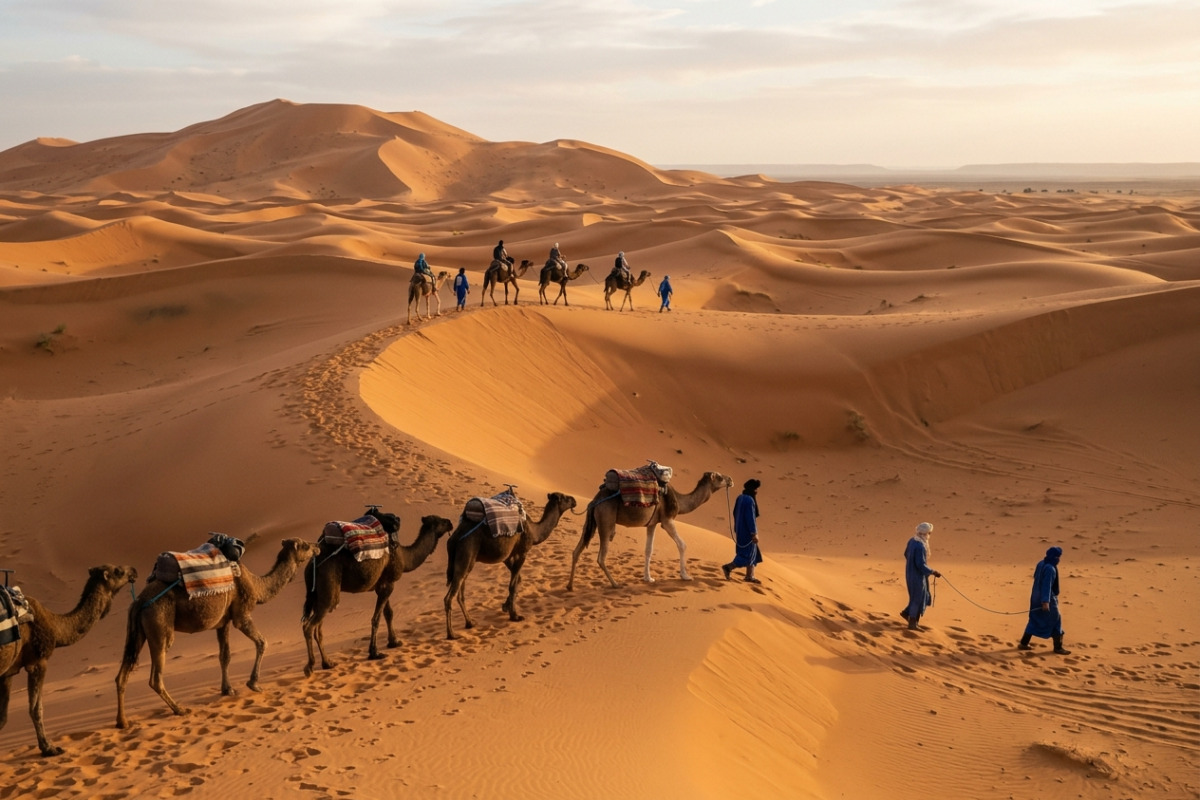
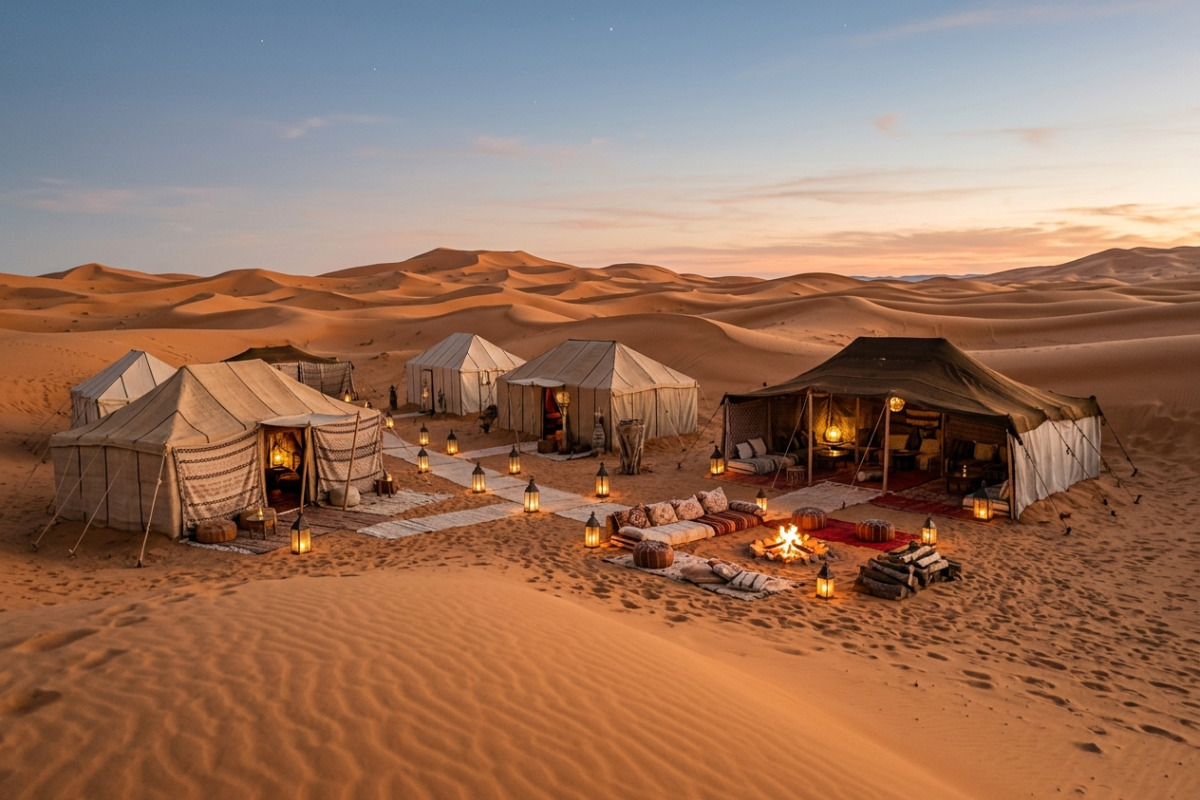
While some oases are famous, others remain quiet sanctuaries known only to locals and discerning travelers seeking solitude. The Ziz Valley, for instance, is a spectacular ribbon of green winding through rugged canyons, boasting one of the largest palm groves in the world. Viewing this valley from above offers a surreal contrast of red rock and vibrant green that seems almost painted. Further south, the sacred oasis of M'Hamid El Ghizlane serves as the gateway to the deep desert, marking the end of the paved road and the beginning of the great sand seas. M'Hamid El Ghizlane offers a unique opportunity to experience the nomadic culture of the Sahara, with opportunities for camel trekking and overnight stays in traditional desert camps.
Another captivating location is the Skoura Oasis, often referred to as the "Valley of One Thousand Kasbahs." Here, the palm groves are interspersed with crumbling fortresses and inhabited kasbahs that whisper tales of a bygone era. It offers a more pastoral experience, where one can walk for hours along irrigation canals, listening to the birds and observing local farmers tending to their plots. These destinations are not just sightseeing spots; they are places to slow down and breathe in the ancient rhythm of the Sahara.
Beyond the Greenery: Unique Fauna of the Oasis
The lush environment of an oasis attracts a surprising variety of wildlife, acting as a critical refuge for both resident species and migratory birds crossing the Sahara. The contrast in vegetation makes these spots excellent for birdwatching, particularly in the cooler months of early 2026. You might spot the distinctive Hoopoe with its crown of feathers, or the vibrant Blue-cheeked Bee-eater darting through the palms. At ground level, the ecosystem supports various reptiles and small mammals that are essential to the desert's food web.
To help you understand what you might encounter, here is a breakdown of the wildlife activity you can expect:
| Category | Common Species | Best Time for Observation |
| Avian Life | White-crowned Wheatears, Trumpeter Finches, Desert Sparrows | Early morning, just after sunrise when activity is highest. |
| Mammals | Fennec Foxes, Desert Hedgehogs, Jerboas | Nocturnal; best seen during quiet evening walks with a guide. |
| Reptiles | Uromastyx (Spiny-tailed Lizard), Geckos | Mid-morning as they bask on warm rocks to regulate temperature. |
| Insects | Dragonflies, Scarab Beetles | Throughout the day near water sources and irrigation channels. |
Immersive Experiences in the Heart of the Desert
Visiting an oasis is not a passive activity; it invites participation and immersion in the local environment. Travelers can engage in a variety of activities that go beyond the standard sightseeing tour. Imagine waking up to the sound of palm fronds rustling in the breeze, spending your morning learning how to harvest dates with local farmers, or taking a guided botanical walk to identify medicinal plants used in traditional remedies. These interactions provide a deeper appreciation for the delicate balance of life in the desert.
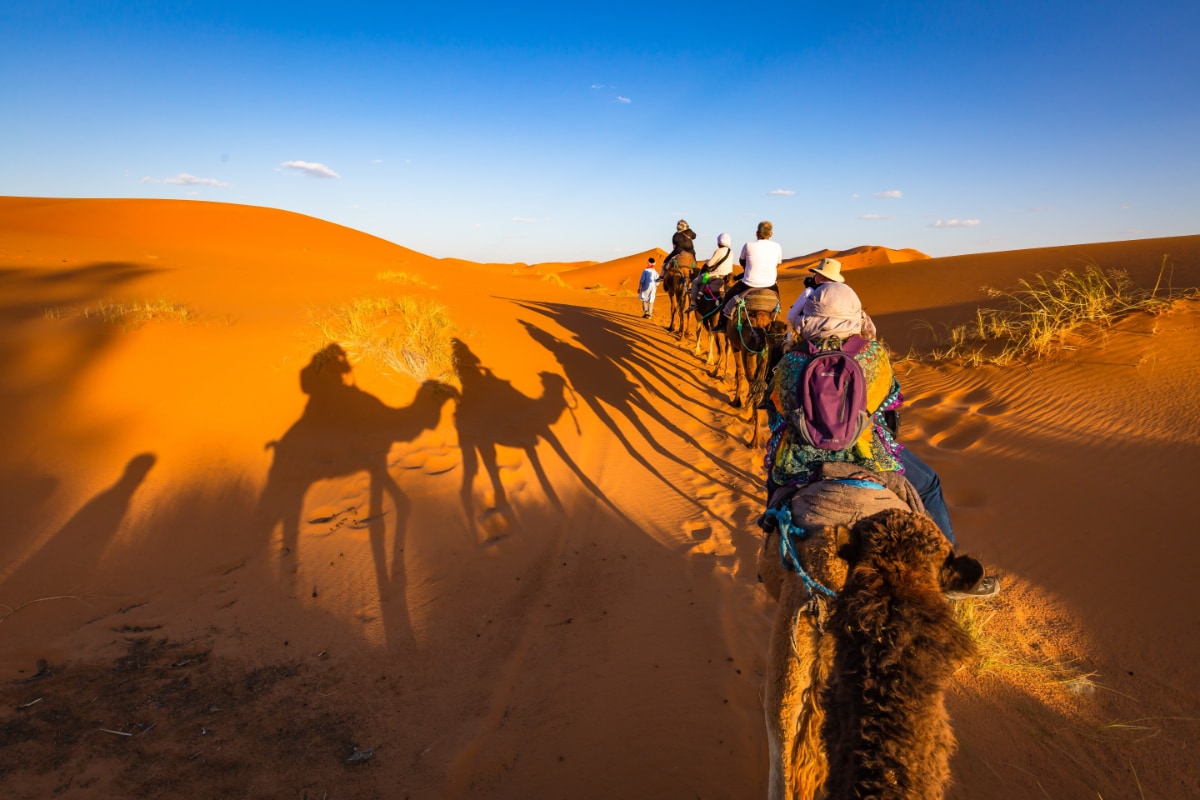
For those seeking adventure mixed with tranquility, curating your desert experiences should include a sunset camel trek through the palm groves leading out to the dunes. As the sun dips below the horizon, the changing colors of the sky reflected against the silhouette of the palms create a photographer's dream. Furthermore, the absence of light pollution in these remote areas makes for unparalleled stargazing opportunities. Lying back on the soft sand and looking up at the Milky Way stretching across the sky is a humbling experience that stays with you forever.
Sustainable Travel in Arid Landscapes
As we explore these fragile ecosystems, the importance of sustainable tourism cannot be overstated. Water is a precious resource in the Sahara, and visitors are encouraged to be mindful of their consumption. Supporting eco-friendly accommodations that utilize solar power and traditional building materials helps preserve the integrity of the oasis. Additionally, purchasing locally made crafts and agricultural products ensures that tourism revenue directly benefits the communities that have been the guardians of these oases for centuries.
- Respect Water Usage: Keep showers short and reuse towels to minimize water waste.
- Stay on Paths: Stick to marked trails within palm groves to avoid damaging irrigation channels or crops.
- Leave No Trace: Pack out all trash, as waste management facilities in remote areas are limited.
- Cultural Sensitivity: Dress modestly when visiting villages and ask for permission before photographing locals.
The oases of the Sahara are more than just pretty landscapes; they are testaments to life's tenacity. They offer a sanctuary for the body and the spirit, inviting us to pause and reflect on the beauty of the natural world. Whether you are wandering through the dense groves of the Ziz Valley or sipping tea in the shadow of a Kasbah in Skoura, the magic of the oasis lies in its ability to surprise and inspire. As you plan your journey for 2026, let the call of these hidden gems guide you toward an adventure that is as enriching as it is unforgettable.