When most travelers visualize the Sahara, they picture an endless, undulating ocean of golden sand under a relentless sun. While this image is captivating, the true magic of the world's largest hot desert lies hidden within its pockets of life: the oases. These emerald jewels, scattered across the arid landscape of North Africa, are not merely watering holes but thriving epicenters of culture, history, and biodiversity. As we step into 2026, the allure of these remote sanctuaries has never been stronger for those seeking silence, beauty, and a connection with nature in its most resilient form. Visiting a Saharan oasis is about witnessing a miracle of survival, where water defies the odds to create lush havens amidst the harsh wilderness.
The Miracle of the Desert Ecosystem
An oasis is far more than just a pool of water surrounded by palm trees; it is a complex, multi-layered ecosystem engineered by both nature and human ingenuity. The lifeblood of these areas usually comes from underground aquifers, some of which hold fossil water that has been trapped for millennia. The vegetation here is typically arranged in a three-tiered system that maximizes shade and moisture retention. At the top, towering date palms protect the layers below from the scorching sun; beneath them grow fruit trees like pomegranate, fig, and citrus; and on the ground level, farmers cultivate vegetables, herbs, and fodder for livestock. This symbiotic structure creates a microclimate that can be significantly cooler than the surrounding open desert.
The biodiversity found within these green islands is startling compared to the barren dunes just a few miles away. Migratory birds often use oases as vital stopovers during their long journeys across the continent, turning these spots into birdwatching paradises. You might spot desert foxes, hedgehogs, and a variety of reptiles that thrive on the edge of the water sources. Understanding this delicate balance is crucial for visitors, as these ecosystems are fragile and depend heavily on sustainable water management practices that have been passed down through generations.
Hidden Gems: Oases You Must Visit
While the Sahara spans multiple countries, certain oases stand out for their unique character, history, and accessibility. Each offers a distinct flavor of desert life, from the architecture of the buildings to the traditions of the people who call them home.
Siwa Oasis, Egypt
Located near the Libyan border, Siwa is perhaps the most culturally distinct oasis in Egypt, home to the Siwi people who speak their own Berber language. It is a place steeped in legends, famously visited by Alexander the Great to consult the Oracle of Amun. The landscape is dotted with salt lakes that shimmer with a surreal blue hue, contrasting with the lush palm groves. Visitors can explore the ruins of the Shali Fortress, built from ‘kershef’ (a mixture of salt, rock, and clay), which melts into the landscape like a dripping candle.
Timimoun, Algeria
Often called the "Red Oasis" due to the ochre color of its buildings, Timimoun offers a breathtaking spectacle where the architecture seems to grow organically out of the red sand. The town overlooks a ‘sebkha’ (salt lake) and is surrounded by rolling dunes that glow fiercely at sunset. The intricate irrigation systems, known as foggaras, are still visible here, showcasing ancient engineering methods used to transport water across long distances without evaporation.
Tozeur, Tunisia
Famous for its unique brickwork architecture and massive palm groves containing hundreds of thousands of trees, Tozeur is a gateway to mountain oases like Chebika and Tamerza. These mountain oases offer a dramatic change of scenery, where waterfalls cascade down rocky canyons in the middle of the desert. Tozeur also serves as a pilgrimage site for cinema lovers, as the surrounding landscapes were used as filming locations for the Star Wars saga, adding a layer of pop-culture history to the ancient terrain.
Merzouga, Morocco
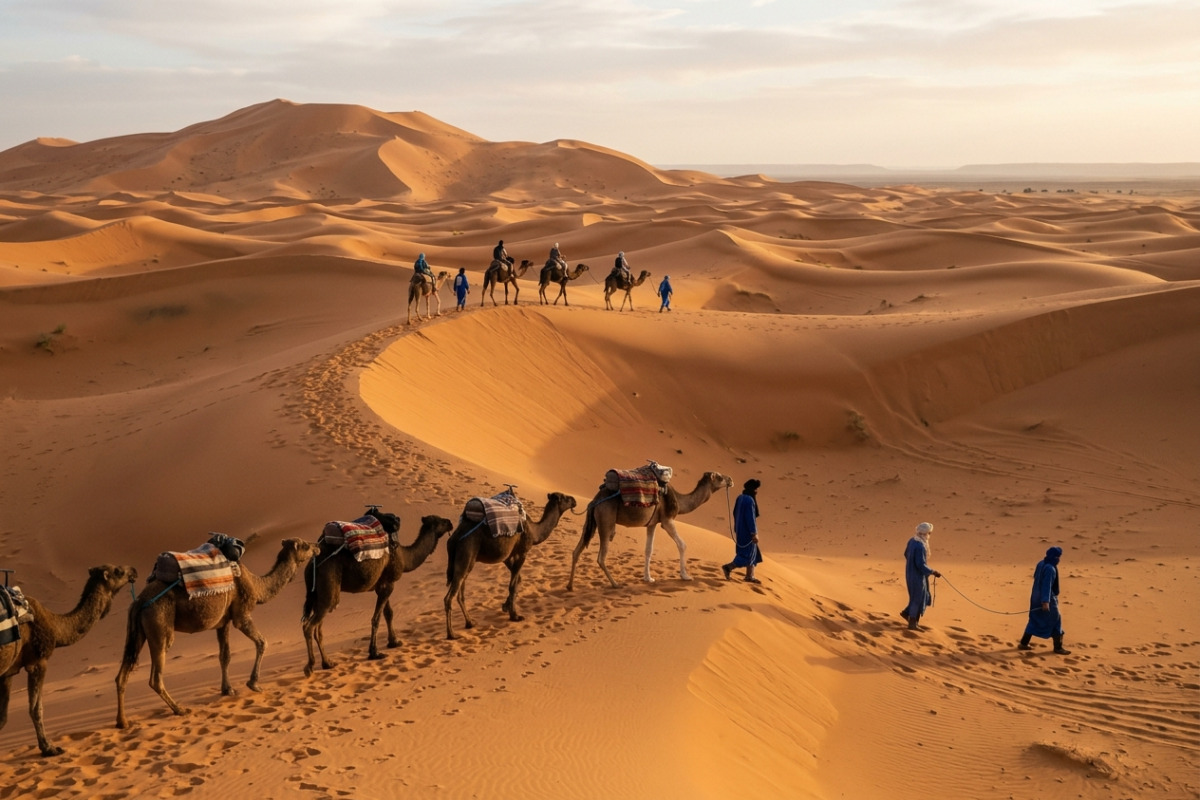
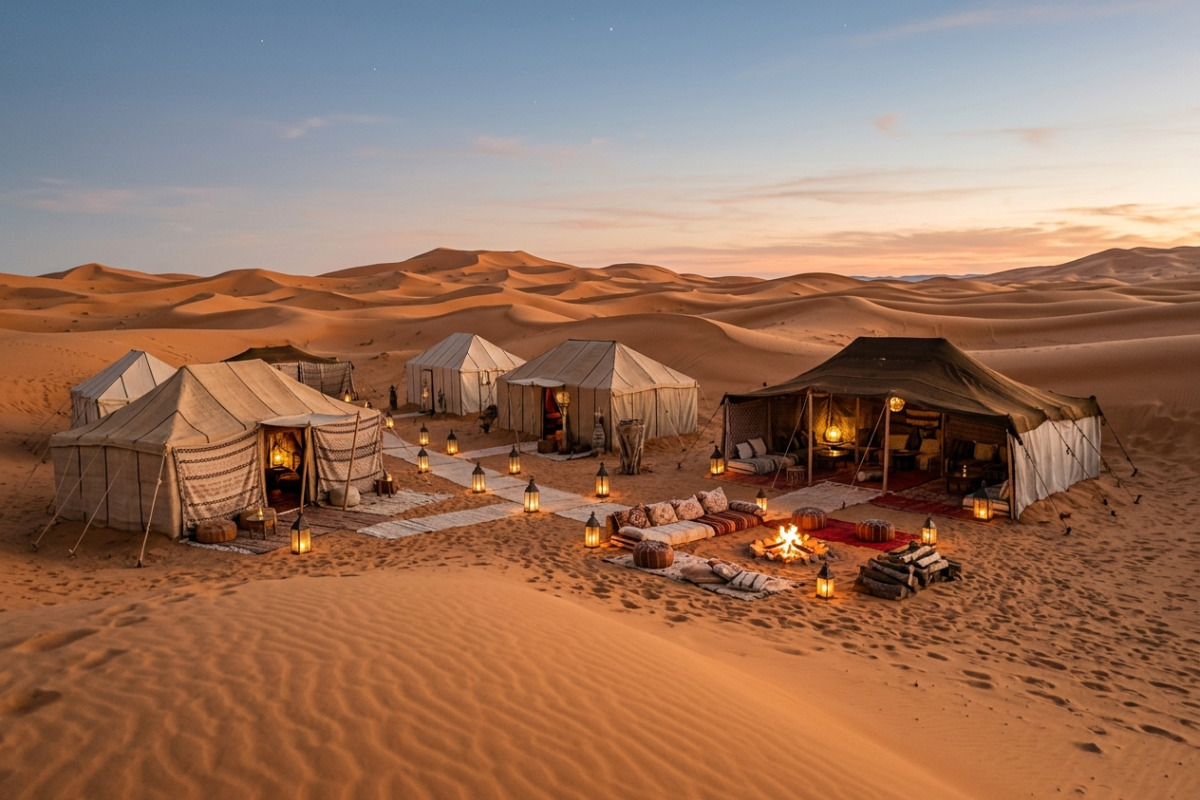
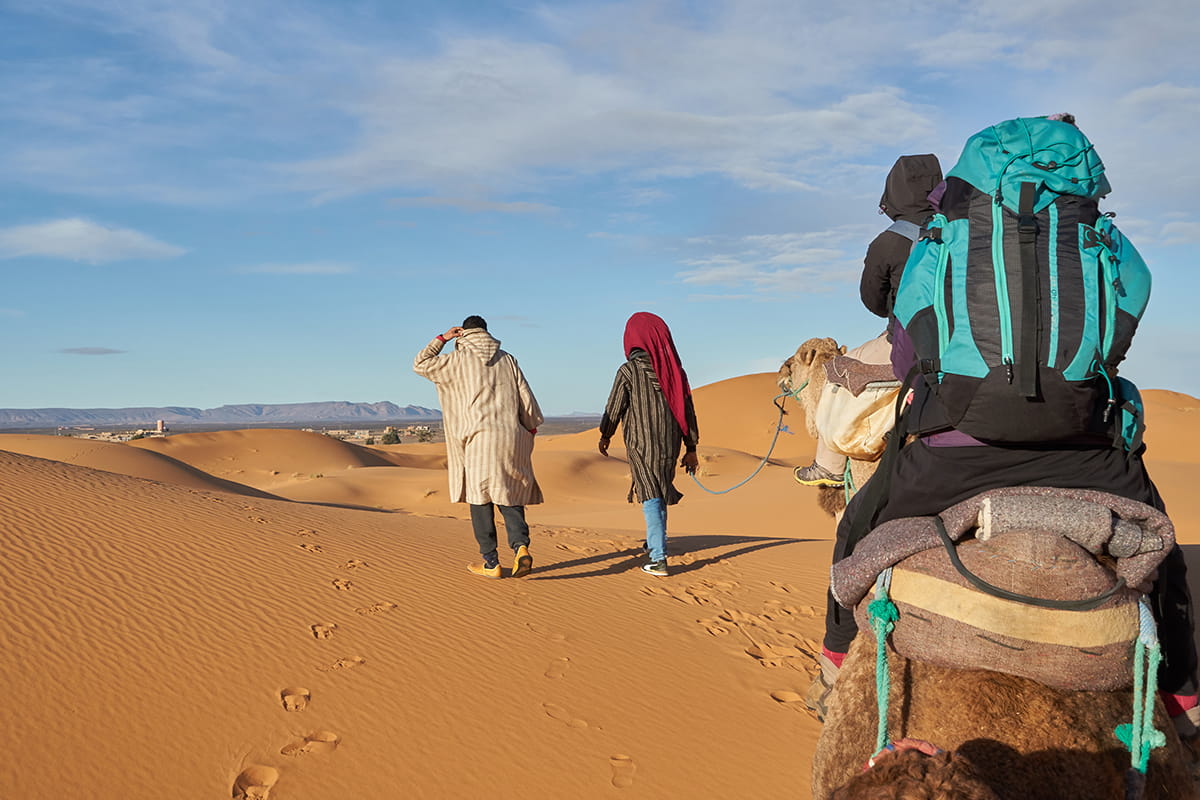
While technically not an oasis town, Merzouga is the gateway to Erg Chebbi, a stunning sea of towering sand dunes that offer an oasis-like experience. The village itself is small, but the surrounding dunes provide unparalleled opportunities for camel trekking, luxury desert camping, and experiencing the nomadic Berber culture. The sunrise and sunset views over the Erg Chebbi dunes are simply unforgettable.
Ghardaïa, Algeria
A UNESCO World Heritage site, Ghardaïa is a unique pentapolis of fortified villages built by the Mozabite Berbers. Its distinctive architecture, characterized by simple, functional buildings made of earth and stone, is perfectly adapted to the harsh desert environment. Exploring the narrow streets and visiting the local market offers a glimpse into a traditional way of life that has remained largely unchanged for centuries.
Cultural Significance and Heritage
The oases of the Sahara have historically served as vital hubs along the trans-Saharan trade routes. For centuries, caravans carrying gold, salt, spices, and textiles would stop at these sanctuaries to rest and replenish their supplies. This constant influx of travelers created a melting pot of cultures, blending Berber (Amazigh), Arab, and sub-Saharan African influences. Today, this heritage is evident in the music, cuisine, and hospitality of the oasis dwellers. The concept of guest treatment is sacred here; travelers are often welcomed with a ritualistic tea ceremony, where sweet mint tea is poured from a height to create a frothy crown, symbolizing friendship and respect.
Activities for the Modern Explorer
Visiting an oasis is not a passive experience; the landscape invites you to engage with it physically and spiritually. Whether you are an adrenaline junkie or looking for meditative peace, the desert caters to all desires. Here are some activities that allow you to fully immerse yourself in the environment:
- Sandboarding and Dune Bashing: The dunes surrounding oases like Merzouga or Siwa are perfect for sandboarding. It provides an exhilarating rush similar to snowboarding but under the warm desert sun.
- Thermal Bathing: Many oases, particularly in Egypt and Tunisia, are blessed with natural hot springs. Soaking in these mineral-rich waters is believed to have therapeutic properties and is the perfect way to relax after a day of exploration.
- Stargazing: With zero light pollution, the Sahara offers some of the best night skies in the world. Viewing the Milky Way stretching clearly across the horizon is a humbling experience that defines desert travel.
- Traditional Cooking Classes: Engage with local families to learn how to bake bread in hot sand or prepare a traditional tagine using dates and local spices.
Planning Your Journey: A Practical Guide
Traveling to the Sahara requires preparation, as the environment can be unforgiving despite the comfort of the oases. January 2026 is an excellent time to visit, as the winter months offer mild daytime temperatures perfect for hiking and exploration, though nights can get surprisingly cold. Understanding the logistical differences between these destinations is key to a smooth trip.
Oasis Comparison Table
| Oasis Name | Country | Best Known For | Ideal For |
| Siwa | Egypt | Salt lakes & Oracle Temple | History buffs & relaxation seekers |
| Timimoun | Algeria | Red mud architecture | Photographers & culture lovers |
| Tozeur | Tunisia | Mountain waterfalls & Film sets | Families & adventure travelers |
| Merzouga | Morocco | Towering Erg Chebbi dunes | Camel trekking & luxury camping |
| Ghardaïa | Algeria | Unique Mozabite architecture | Cultural immersion & history enthusiasts |
When packing for your expedition, prioritize layers. The temperature fluctuation between day and night is drastic. Bring breathable cottons for the day and heavy fleece or wool for the evenings. Furthermore, responsible tourism is paramount. Water is a precious resource in these arid regions; use it sparingly and always follow local guidelines regarding waste disposal to keep these pristine environments clean for future generations.
Final Thoughts
The oases of the Sahara are more than just scenic stops; they are testaments to life's persistence. They offer a unique blend of adventure, silence, and history that is difficult to find elsewhere on the planet. Whether you are watching the sunrise over a salt lake in Siwa or wandering through the date palms of Tozeur, the experience leaves an indelible mark on your soul. As you plan your travels for 2026, consider the road less traveled and let the whispers of the desert guide you to these hidden paradises.