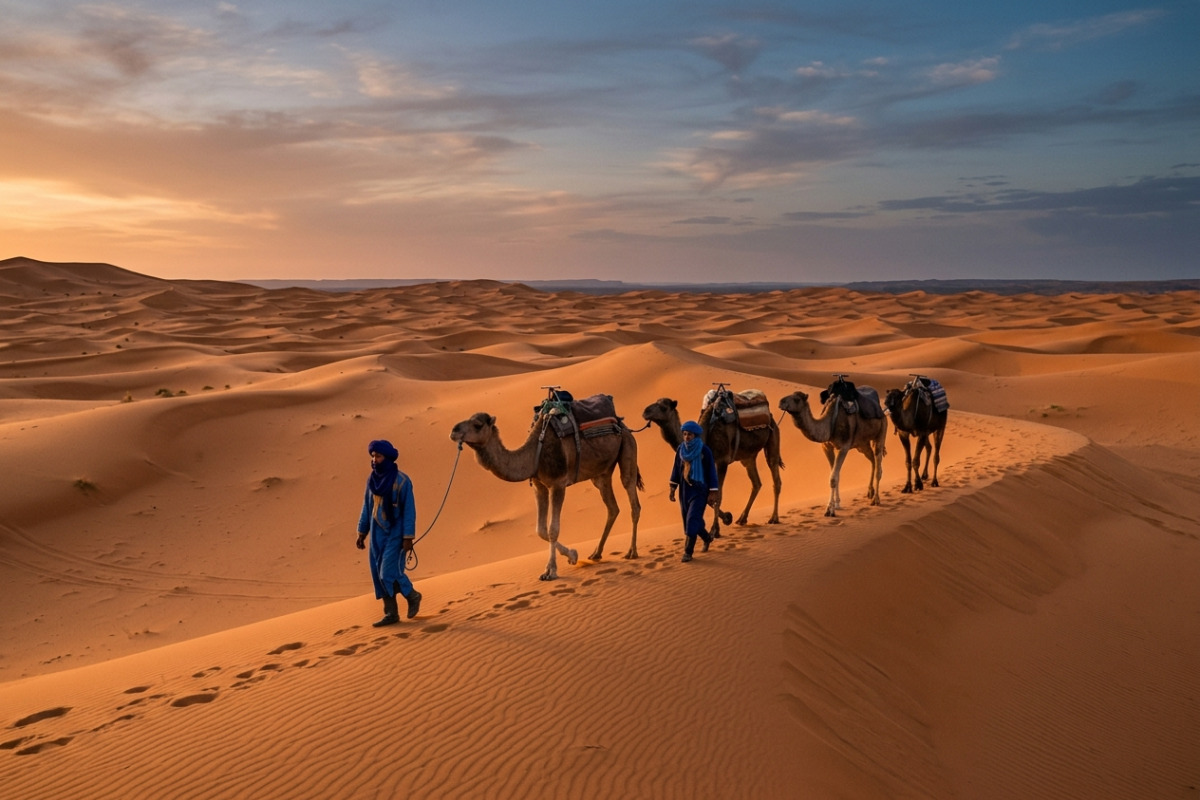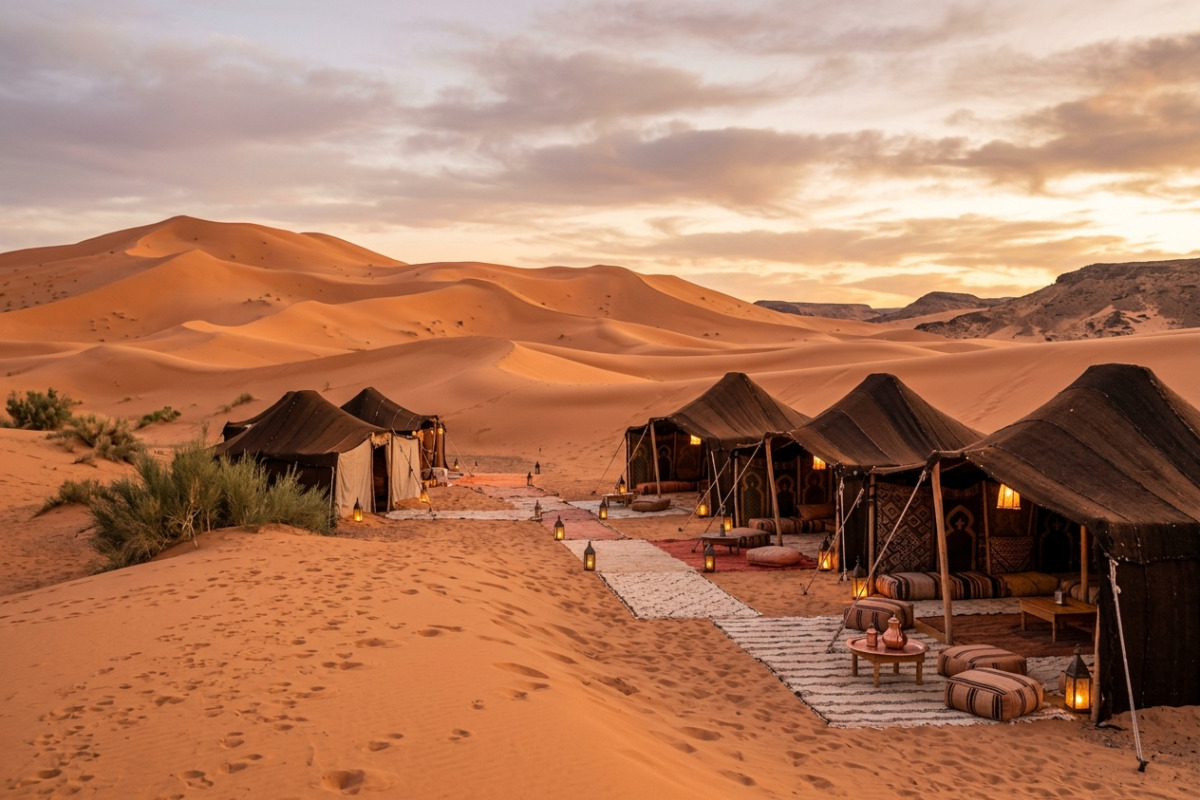
The Sahara Desert is more than just vast stretches of sand and dunes; it is a vibrant tapestry of cultures, traditions, and practices that have evolved over centuries. For travelers seeking an authentic experience, understanding the cultural nuances of the Sahara is essential. This article dives deep into the unique customs and lifestyles that define this magnificent region, offering insights that will enrich your journey.
Traditions that Define Saharan Life
At the heart of the Sahara lies a rich heritage shaped by its diverse inhabitants. The Berbers, Tuaregs, and other nomadic tribes have preserved their traditions through generations, creating a unique cultural identity that is distinctly Saharan. Each tribe possesses its own customs, myths, and storytelling traditions that reflect the harsh yet beautiful environment of the desert.
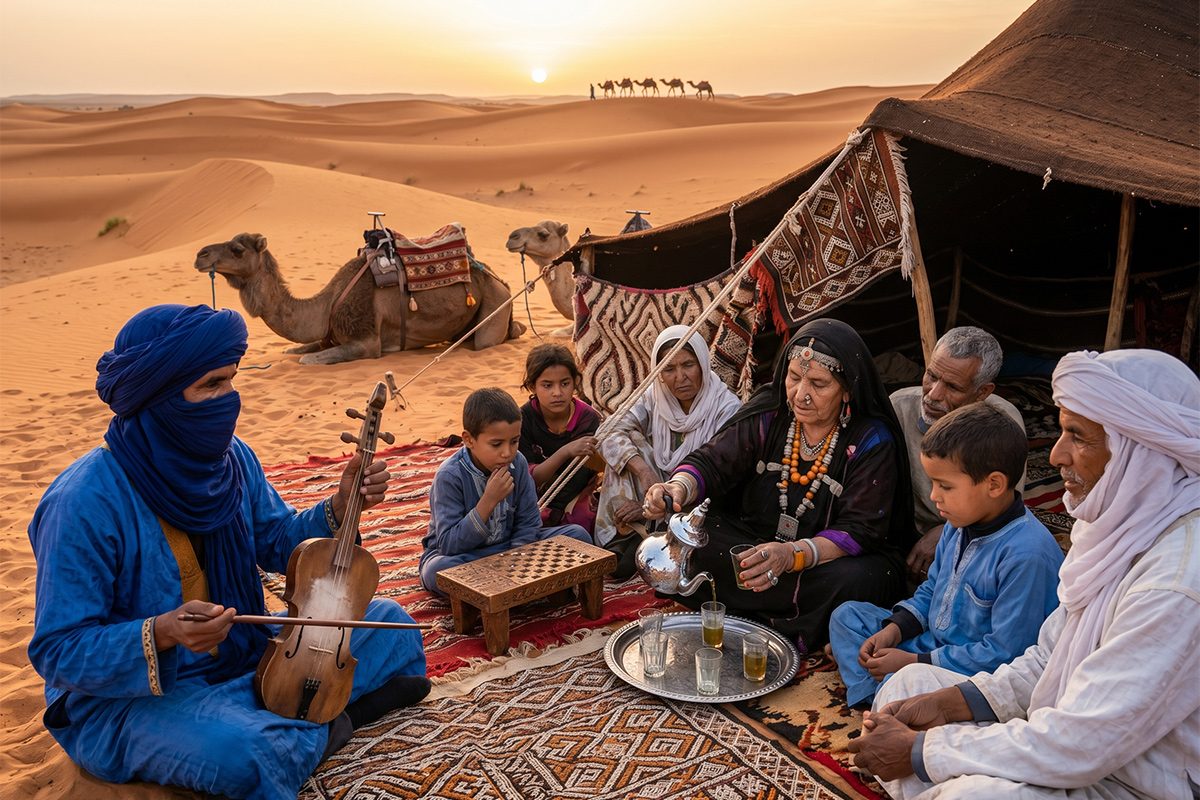
One of the most significant aspects of Saharan traditions is the art of storytelling, known as "Tassoult". This practice is not merely entertainment; it serves as a vital means of preserving history and imparting wisdom. Around campfires under the sprawling night sky, elders recount tales of bravery, love, and survival, which are essential for passing down cultural values to younger generations.
The Role of Community in Saharan Culture
Community plays a pivotal role in the Sahara, where social ties are strengthened through shared experiences and mutual support. Festivals and gatherings are not just celebrations; they are essential for maintaining relationships and reinforcing cultural identity. Events like the Festival of the Sahara bring together different tribes to share music, dance, and culinary delights, fostering a sense of unity and belonging.
Moreover, the practice of hospitality is deeply ingrained in Saharan culture. Visitors are often welcomed with open arms, and sharing food and stories with guests is a cherished tradition. This warmth and generosity reflect the Saharan people's values, offering a glimpse into their way of life and the importance of community.
Crafts and Artistry: A Reflection of Identity
The traditional crafts of the Sahara are another vital component of its cultural identity. From intricate carpets woven by Berber women to the beautifully crafted silver jewelry of the Tuareg, each piece tells a story and carries cultural significance. These crafts are not just for decorative purposes; they are often imbued with symbolic meanings and serve as a medium for expressing identity.
For travelers looking to explore the Sahara, engaging with local artisans can be a rewarding experience. Many villages offer workshops where visitors can learn about traditional crafting techniques, fostering a deeper appreciation for the skills and creativity that go into each handmade item.
Preserving the Cultural Heritage of the Sahara
In an age of rapid globalization, the preservation of Saharan culture is more important than ever. Local communities are striving to maintain their traditions while adapting to modern influences. Initiatives aimed at cultural preservation often involve tourism, allowing travelers to experience the richness of Saharan life while ensuring that these traditions continue to thrive.
As a traveler, you can contribute to this preservation by choosing eco-friendly tours and supporting local artisans. Engaging with the culture respectfully helps sustain these traditions and offers you a more meaningful connection to the Sahara.
Conclusion: Embrace the Culture of the Sahara
The culture of the Sahara Desert is an intricate blend of traditions, community values, and artistic expressions that deserve recognition and respect. By immersing yourself in the local customs and engaging with the people, you not only enhance your travel experience but also contribute to the sustainability of their rich heritage. For more incredible experiences and to dive deeper into the heart of Morocco, visit our Sahara Experiences page.