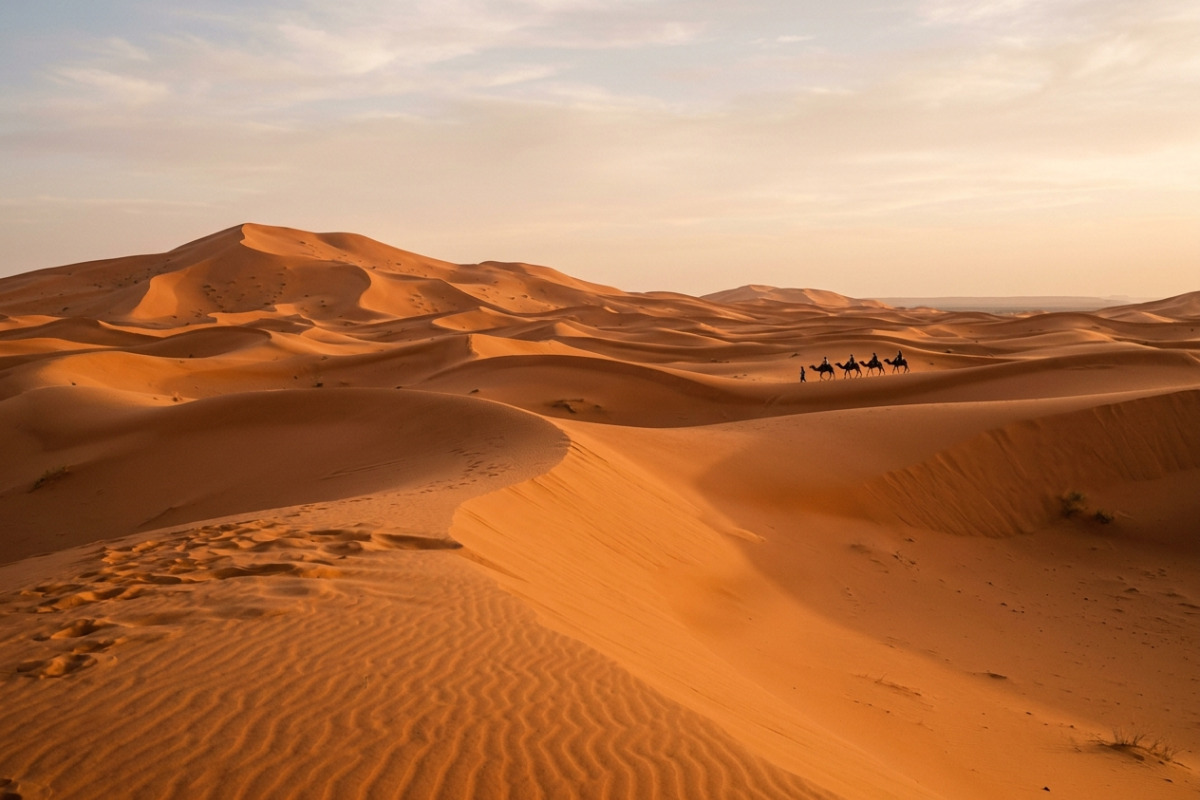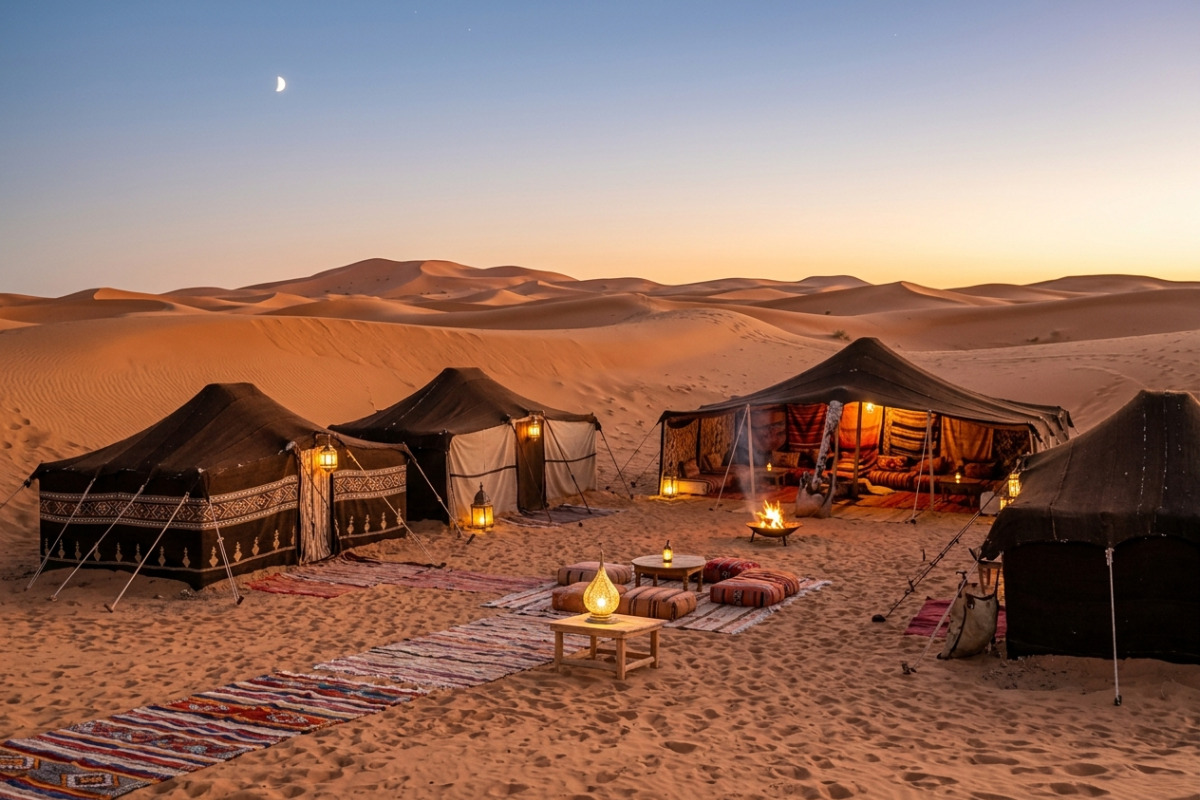
The Sahara Desert is not just a breathtaking landscape of dunes and stars; it is also a vibrant tapestry of culture and tradition. When you stay in Sahara Desert Camps, you're not just an observer; you become part of a rich cultural experience that connects you with the heart of the Saharan way of life. Understanding these cultural nuances can elevate your journey from a typical vacation to a transformative adventure.
Immersion in Local Traditions
When you arrive at a Sahara Desert Camp, you are greeted with warm hospitality that embodies the spirit of the nomadic tribes. This hospitality is not merely about providing a place to sleep; it’s about sharing stories, traditions, and a deep-rooted connection to the land. Local guides often share legends of the desert, the significance of the stars, and tales of the Berber and Tuareg people who call this vast expanse their home.
Participating in traditional activities, such as cooking classes or music nights around the campfire, allows you to immerse yourself fully in the local culture. Imagine savoring a tagine prepared over an open fire while listening to the haunting melodies of a traditional desert lute. These experiences foster a sense of community and belonging, making your stay far more enriching.
Understanding the Nomadic Lifestyle
The nomadic lifestyle of the Sahara is a fascinating subject that reflects resilience and adaptability. By engaging with the local communities, you gain insights into how they navigate the harsh environment, manage resources, and maintain their cultural identity amidst modern influences. This knowledge not only enhances your travel experience but also fosters respect for their way of life.
Many Sahara Desert Camps offer opportunities to meet with local families, where you can witness first-hand their daily routines, crafts, and the importance of camels in their lives. The bond between the nomads and their camels is particularly significant; these animals are not just modes of transport but are integral to their culture and survival.
Craftsmanship and Artistry
Another enriching aspect of staying in Sahara Desert Camps is the opportunity to explore local craftsmanship. From intricate carpets woven by hand to stunning silver jewelry that tells a story of its own, the artistry found in the Sahara is a testament to the region's rich heritage. Many camps provide workshops where you can learn about these traditional crafts and even try your hand at creating your own piece.
Supporting local artisans not only contributes to the economy but also helps preserve these ancient skills. It’s a chance for travelers to engage with the culture on a deeper level and take home unique souvenirs that carry a story of their journey.
Culinary Adventures in the Desert
The culinary landscape of the Sahara is as diverse as its geography. Staying in desert camps allows you to indulge in traditional dishes that reflect the region's multicultural influences. Meals are often communal, served in a traditional manner that encourages sharing and conversation. Dishes like couscous, lamb tagine, and fresh salads are prepared using local ingredients, showcasing the flavors of the Sahara.
Food holds a significant place in Saharan culture, and the act of sharing a meal transcends mere sustenance; it is a celebration of community and connection. Participate in cooking classes offered at your camp to learn how to prepare these traditional dishes and gain a deeper appreciation for the culinary practices of the nomadic tribes.
Conclusion: A Journey of Cultural Discovery
Staying in Sahara Desert Camps presents a unique opportunity to discover the rich cultural heritage of the region. From the warmth of local hospitality and the vibrancy of traditional crafts to the flavors of authentic cuisine, every aspect of your experience is steeped in history and tradition. If you’re ready to embark on a journey that goes beyond the surface, explore the Sahara experiences that await you in this extraordinary desert.