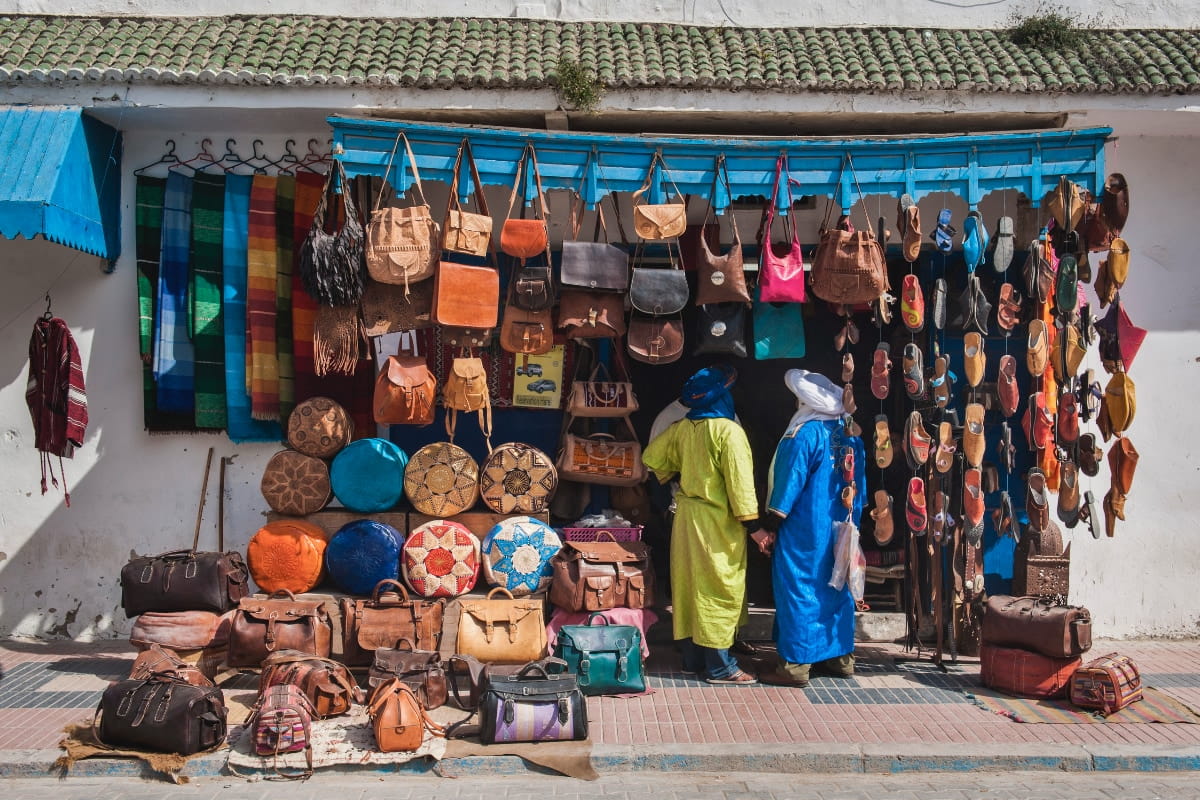
The golden dunes of the Sahara do more than just shift with the wind; they tell stories of ancient trade routes, resilient communities, and artistic traditions passed down through generations. When you stand amidst the vast silence of the desert, the desire to take a piece of that magic home is almost instinctive. However, in an era where travel is becoming increasingly conscious, the act of buying a souvenir has evolved from a simple transaction into a meaningful exchange. It is no longer just about acquiring an object; it is about honoring the hands that crafted it and ensuring that your visit leaves a positive footprint on the local economy.
Sustainable souvenir shopping in the Sahara is an adventure in itself, requiring patience, curiosity, and a discerning eye. It invites you to look beyond the mass-produced trinkets often found in tourist hubs and seek out items that hold the soul of the region. By choosing to shop ethically, you become a patron of the arts, directly supporting the livelihoods of skilled artisans who are the custodians of Amazigh (Berber) heritage. This guide is designed to help you navigate the vibrant souks and quiet workshops of the desert, ensuring that the treasures you bring home are as authentic as the memories you have created.
The Art of Conscious Consumption in the Desert
Conscious consumption in the Sahara begins with understanding the origin of the materials and the labor involved in creation. The desert environment is harsh, and resources are precious, meaning that true craftsmanship often utilizes sustainable, locally sourced materials like wool, clay, silver, and palm leaves. When you purchase an item made from these natural elements, you are encouraging an eco-friendly production cycle that respects the fragile desert ecosystem. Conversely, buying imported plastic goods or synthetic fabrics not only dilutes the cultural experience but often contributes to waste issues in regions that lack robust recycling infrastructure.
Furthermore, the social impact of your purchase is profound when you choose to buy directly from the source. In many desert communities, artisan work is a primary source of income, particularly for women who weave rugs or extract argan oil to support their families. As you explore Morocco and its diverse southern regions, looking for cooperatives rather than middlemen ensures that the money you spend goes directly to the creators. This financial empowerment allows traditional skills to survive in a modernizing world, preventing the loss of cultural identity that often accompanies rapid tourism development.
Treasures of the Sands: What to Buy
The Sahara offers a distinctive palette of handicrafts that reflect the colors, textures, and needs of desert life. Knowing what to look for will help you distinguish between a generic item and a masterpiece of heritage. Here are some of the most culturally significant and sustainable souvenirs you can find in the region.
Rugs and Woven Textiles
Moroccan rugs are famous worldwide, but the rugs of the Sahara and the Atlas Mountains tell specific tribal stories through their geometric patterns. These are not merely floor coverings; they are woven diaries depicting fertility, nature, and protection against the evil eye. Authentic rugs are made from hand-spun wool and dyed using natural ingredients like saffron (yellow), henna (red), and indigo (blue). When shopping, ask about the tribe of origin and the meaning behind the symbols, as this engagement shows respect for the weaver's artistry.
Tamegroute Pottery
Venture near the edge of the dunes, and you may encounter the distinctive green pottery of Tamegroute. This ancient craft is unique to a single village and is created using a specific glaze containing manganese and copper, baked in earth ovens. The result is a rustic, imperfectly perfect finish with a deep emerald hue. Because the clay is sourced from the local riverbed and the technique has remained unchanged for centuries, this is one of the most sustainable and historically significant items you can purchase.
Ethical Argan and Natural Beauty Products
While Argan trees grow primarily in the Souss valley, the gateway to the Sahara is filled with cooperatives selling this "liquid gold." However, the popularity of Argan oil has led to many diluted or fake versions flooding the market. True sustainable shopping involves finding women-run cooperatives where you can witness the labor-intensive process of cracking the nuts by hand. Purchasing here supports fair wages and ensures you are getting a pure, organic product free from industrial processing.
Distinguishing Authentic from Mass-Produced
In the bustling souks, it can sometimes be difficult to tell the difference between a genuine handcrafted item and an industrial imitation. To help you make informed choices, we have compiled a comparison guide to assist you in identifying quality and authenticity.
| Item Category | Authentic & Sustainable Characteristics | Mass-Produced or Unethical Signs |
| Berber Rugs | Imperfections in symmetry, smells like natural wool (sheep), burn test results in ash, unique non-repeating variations. | Perfectly symmetrical machine patterns, smells like chemicals or plastic, melts when burn-tested (synthetic), identical stacks of rugs. |
| Ceramics | Heavy for their size, hand-painted irregularities, earthy smell, distinct Tamegroute green glaze variations. | Uniformly smooth, lightweight, stamped patterns, bright neon colors that don't occur naturally in traditional glazing. |
| Leather Goods | Distinctive rich leather smell, natural tanning variations, sturdy hand-stitching. | Strong chemical odor (ammonia/urine smell indicating poor tanning), peeling surfaces, glued seams instead of stitched. |
| Argan Oil | Nutty scent (culinary) or mild raw scent (cosmetic), sediment at bottom, sold in dark glass to protect from light. | Odorless or overly perfumed, sold in clear plastic bottles, suspiciously low viscosity (mixed with vegetable oil). |
The Etiquette of Bargaining with Respect
Bargaining is an intrinsic part of Moroccan culture, but it should be approached as a social interaction rather than a battle for the lowest price. In the context of sustainable tourism, the goal is to reach a fair price that honors the artisan's time while providing value to you. Start by greeting the seller warmly and taking time to admire their wares; building a rapport is essential before discussing money. When you ask for the price, offer a counter-offer that is lower but reasonable, usually around two-thirds of the starting quote, and work your way to a middle ground.
It is crucial to remember the economic reality of the artisan standing before you. Haggling over a very small amount might mean the price of a coffee to you, but it could be significant for a local family. If you fall in love with a piece and the artisan explains the weeks of work that went into it, paying a slightly higher price is a gesture of appreciation and ethical support. Always end the interaction with a smile and a thank you, regardless of whether a purchase was made, maintaining the dignity of the exchange.
Where to Shop: Cooperatives and Workshops
To ensure your money has the most direct positive impact, prioritize shopping at local cooperatives and artisan workshops over generic souvenir stands. Cooperatives are often government-backed or community-organized entities that ensure fair distribution of profits among members. In the Sahara region, you can find centers dedicated to everything from embroidery to fossil preservation. These places often provide a transparent view of the production process, allowing you to connect deeply with the craft.
Visiting these workshops is often part of broader immersive travel itineraries. Many travelers find that participating in these activities is one of the most memorable experiences of their journey. Watching a master potter at the wheel or seeing a weaver manage a complex loom transforms the object you buy from a simple commodity into a vessel of memory. It allows you to tell the story of the person who made it when you return home, keeping the human connection alive.
Leaving a Positive Legacy
Ultimately, sustainable souvenir shopping in the Sahara is about mindfulness. It is about resisting the urge to buy impulsive, disposable items and instead choosing pieces that will be cherished heirlooms. By selecting high-quality, handcrafted goods, you reduce the demand for cheap imports and encourage the preservation of ancient techniques that define the region's cultural landscape. Your purchasing power is a vote for the kind of world you want to support.
As you pack your bags to leave the desert, carrying a silver fibula or a hand-woven kilim, you carry a piece of the Sahara's soul. These items serve as a bridge between cultures, a reminder of the tea shared, the stories heard, and the vast, starry skies. By shopping responsibly, you ensure that the artisans of the desert can continue to thrive, keeping their heritage vibrant for the generations of travelers yet to come.
For Example: When seeking out authentic Tamegroute pottery, consider visiting the workshop of the Maalem Ali family. Their techniques have been passed down for generations, and they are known for using only local materials and traditional firing methods. Similarly, for high-quality Berber rugs, look for cooperatives that are certified by organizations promoting fair trade practices, such as the Association for Traditional Moroccan Weaving. These organizations ensure that artisans receive fair wages and work in safe conditions.